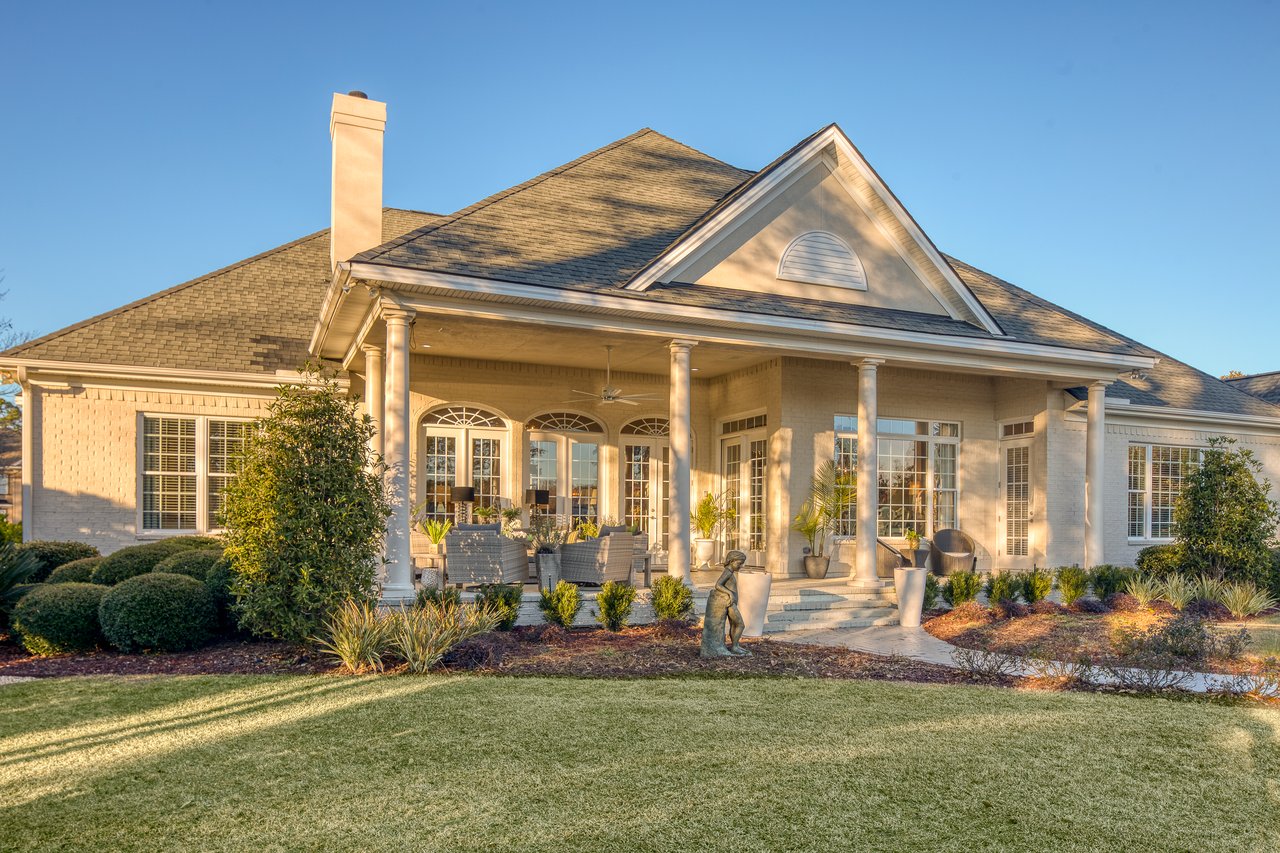
How to Price Your Savannah Home Competitively in 2026
Sellers / Pricing Strategy, Comparative Market Analysis Liza DiMarco July 18, 2026
Sellers / Pricing Strategy, Comparative Market Analysis Liza DiMarco July 18, 2026
Slug: price-home-competitively-savannah
Meta Description: Savannah homes are sitting for 82 days on average right now. Here's exactly how to price yours competitively using real comps, not guesswork.
Pricing competitively in Savannah means starting with a comparative market analysis of three or more recently sold homes similar in size, condition, and location to yours, then checking that baseline against homes currently active on the market — not an online estimate. In today's softening market, sold data alone can lag behind where prices are actually heading, so pricing with the future in mind means weighing both what's already sold and what's actively competing for the same buyers right now. With homes currently selling in around 82 days citywide and closer to 98 days in Downtown Savannah, overpricing costs sellers real time on the market.
By Liza DiMarco | July 14, 2026 (Updated July 15, 2026)
Every seller wants to price high and sell fast, and in Savannah's current market, you usually only get one of those. The good news is that pricing competitively isn't guesswork — it's a process, and once you understand what actually goes into it, you can set a number that attracts real offers instead of scaring buyers off or leaving money on the table.
Online home value tools are a fine starting point, but they're not where your list price should come from. They can't see your renovated kitchen, your original heart pine floors, or the fact that your neighbor's "comparable" sale included a leaking roof.
A proper comparative market analysis starts with three to five recently sold homes genuinely similar to yours in size, condition, location, and age. Sold prices show what buyers have actually paid, which makes them the foundation of any credible CMA. But in today's softening market, sold data alone tells you where the market was, not where it's heading — and pricing off stale numbers is exactly how a listing ends up overpriced on day one.
That's why the analysis doesn't stop at sold comps. It also weighs what's currently active on the market — the homes you're actually competing against for the same buyers right now. If several similar homes are sitting active in your area, or if list prices on comparable properties have been trending down over the past few months, that's a signal your sold comps from three months ago may already be behind where the market has moved. Pricing with the future in mind means using sold data to establish the baseline, then checking that baseline against live competition before you commit to a number.
Each comp — sold or active — gets adjusted for meaningful differences: a comp with an extra bathroom gets valued down for the comparison, one without your updated kitchen gets adjusted up. What's left isn't just a look backward at what a home like yours was worth a few months ago — it's a forward-looking price that accounts for what's realistically competing against you today.
This matters more here than in a lot of markets, because Savannah's pricing conditions aren't uniform. Downtown Savannah homes are currently averaging around 98 days on market, while homes in West Chatham are moving in roughly 54 days. A citywide median tells you almost nothing useful about your specific street.
Pricing in a vacuum is how homes sit. Pricing against real, current numbers is how they sell — and right now, the numbers tell a more nuanced story than a single headline figure suggests.
As of July 2026:
None of this means your home is worth less than you think, and it doesn't mean it's automatically worth more either. It means the market is genuinely mixed right now — rising inventory and slower closings pulling one way, stabilizing prices pulling the other. Homes priced accurately from day one, using real comps rather than a single market headline, are the ones outperforming.
The instinct to list high "and see what happens" is understandable, but it tends to backfire in a market like this one.
Here's what actually happens with an overpriced listing:
Underpricing has its own risk, of course — you don't want to leave money on the table either. The goal isn't the lowest defensible number. It's the number that reflects what buyers are genuinely paying for homes like yours right now. For a closer look at how a mispriced listing plays out in today's market, see why Savannah listings are stalling right now.
You can't control mortgage rates (currently averaging around 6.5%–6.7% for a 30-year fixed), buyer sentiment, or how many other homes are on the market in your neighborhood this month. You can control a few things that directly affect how your price performs:
Your specific number depends on your home's condition, its exact location, and how it stacks up against what's actively competing for the same buyers — that's exactly where a local CMA earns its keep.
What's the difference between a CMA and an appraisal?
A comparative market analysis is performed by a real estate agent using recently sold and currently active comparable listings to estimate a competitive list price. An appraisal is a formal, unbiased valuation performed by a licensed appraiser, usually ordered by a lender during the buyer's financing process. Sellers typically use a CMA to set the price; buyers' lenders use an appraisal to confirm it.
How many comps should be used to price a home in Savannah?
Most agents use three to five recently sold homes that closely match yours in size, condition, age, and location as the foundation, then check that against currently active listings competing for the same buyers. Fewer comps make the estimate less reliable; too many unrelated comps can dilute accuracy if they're not truly comparable.
Does a CMA look at active listings, or only sold homes?
Both, especially in a market like Savannah's right now. Sold comps establish what buyers have actually paid, but in a softening market, sold data can lag behind where prices are actually heading. Checking sold comps against current active listings shows whether the market has kept moving since those sales closed, which matters for pricing with the future in mind rather than the recent past. I use both sold and currently active listings together to build every pricing suggestion I give a seller, for exactly this reason.
Is Savannah currently a buyer's or seller's market?
As of July 2026, Savannah is best described as mixed and moving toward buyer-favorable: inventory is up nearly 19% year-over-year and closed sales are down about 13%, but median sale price has actually ticked up slightly (+1.3%) according to the most recent local trade-association data. Days on market remains elevated, averaging around 82 days citywide. Conditions vary significantly by neighborhood, so your specific area may skew more toward one side or the other.
Should I price my home based on what I paid for renovations?
No. Buyers pay for what comparable homes in your area are selling for, not for the dollar amount you spent on upgrades. A CMA reflects what the market will actually support, which may be more or less than your total investment in the home.
What happens if I price too high and have to lower it later?
Price reductions after 60+ days on market often make buyers more cautious, since a stale listing can read as a sign something's wrong with the home. Pricing accurately from the start typically outperforms starting high and cutting the price down over time.
Getting the number right takes more than a formula — it takes someone who knows how your specific block is performing right now. If you want a real comparative market analysis instead of an online guess, get your home's current value or call (805) 450-3795.
About Liza DiMarco
Marketing Specialist
Liza is a dedicated, passionate, and market-savvy professional who puts her clients' satisfaction before all else. Her attention to detail, superior people skills, and broad knowledge of the real estate industry as a whole, along with her pure determination to indulge her clients with first-class service sets Liza apart from the rest of the Real Estate Agent.
Liza is the Savannah and coastal Georgia Network Partner in The Private Client Network — an invitation-only collective of 300+ top-producing Compass advisors across 80+ luxury markets nationwide. For clients buying or selling across state lines, it means one trusted relationship that follows them anywhere.
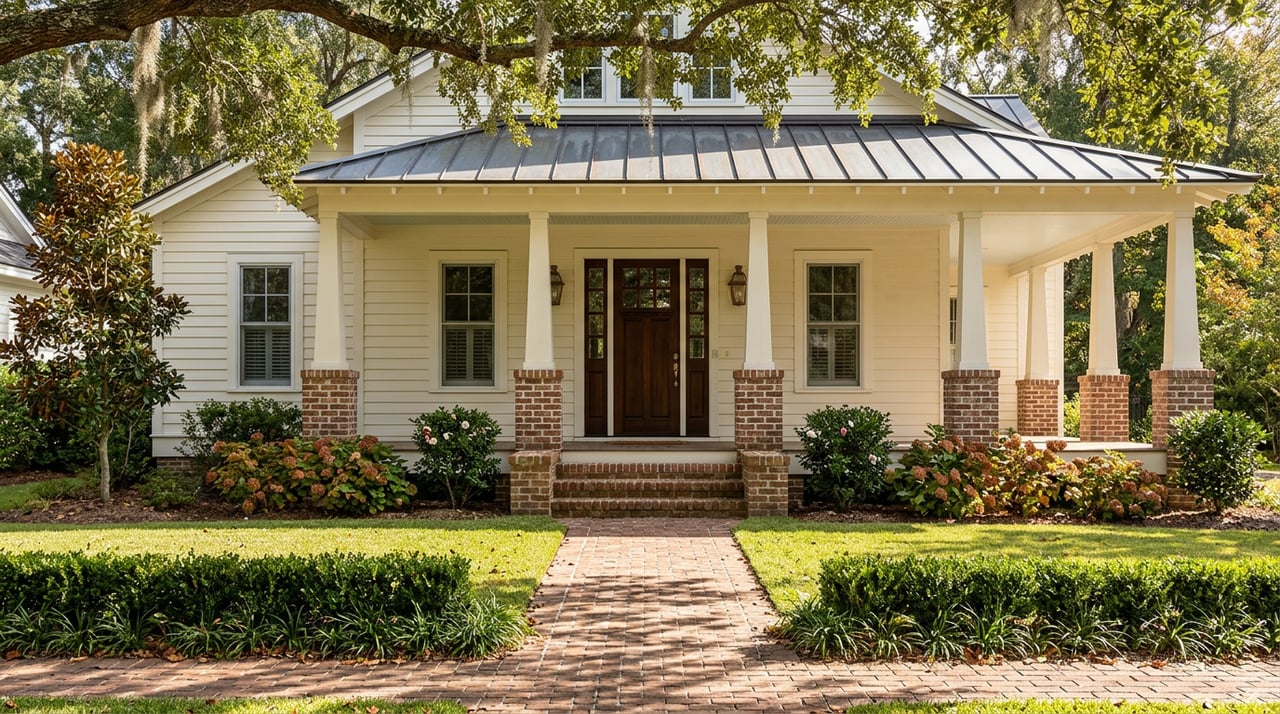

Local Guides, Lifestyle
The best dog parks, dog-friendly restaurants, and the only real dog beach near Savannah's Historic District

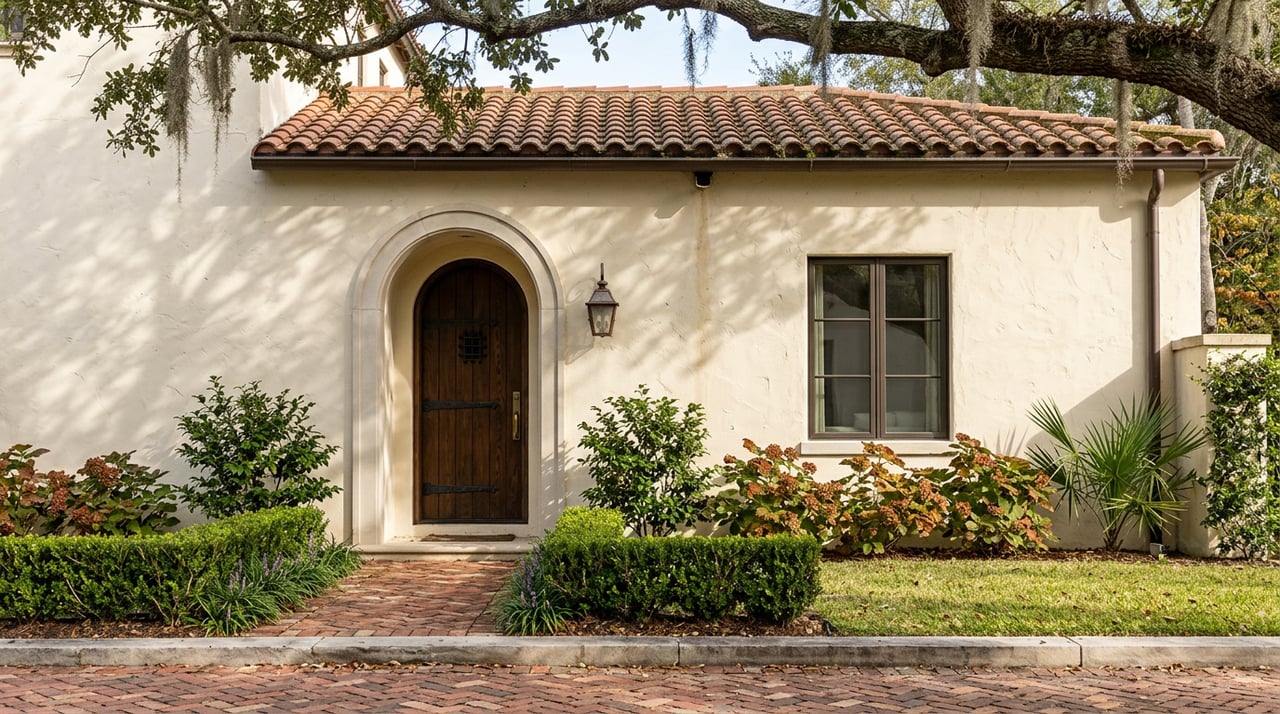
Luxury Real Estate
Why this market rewards deep local knowledge over general real estate experience — and what that actually looks like in practice
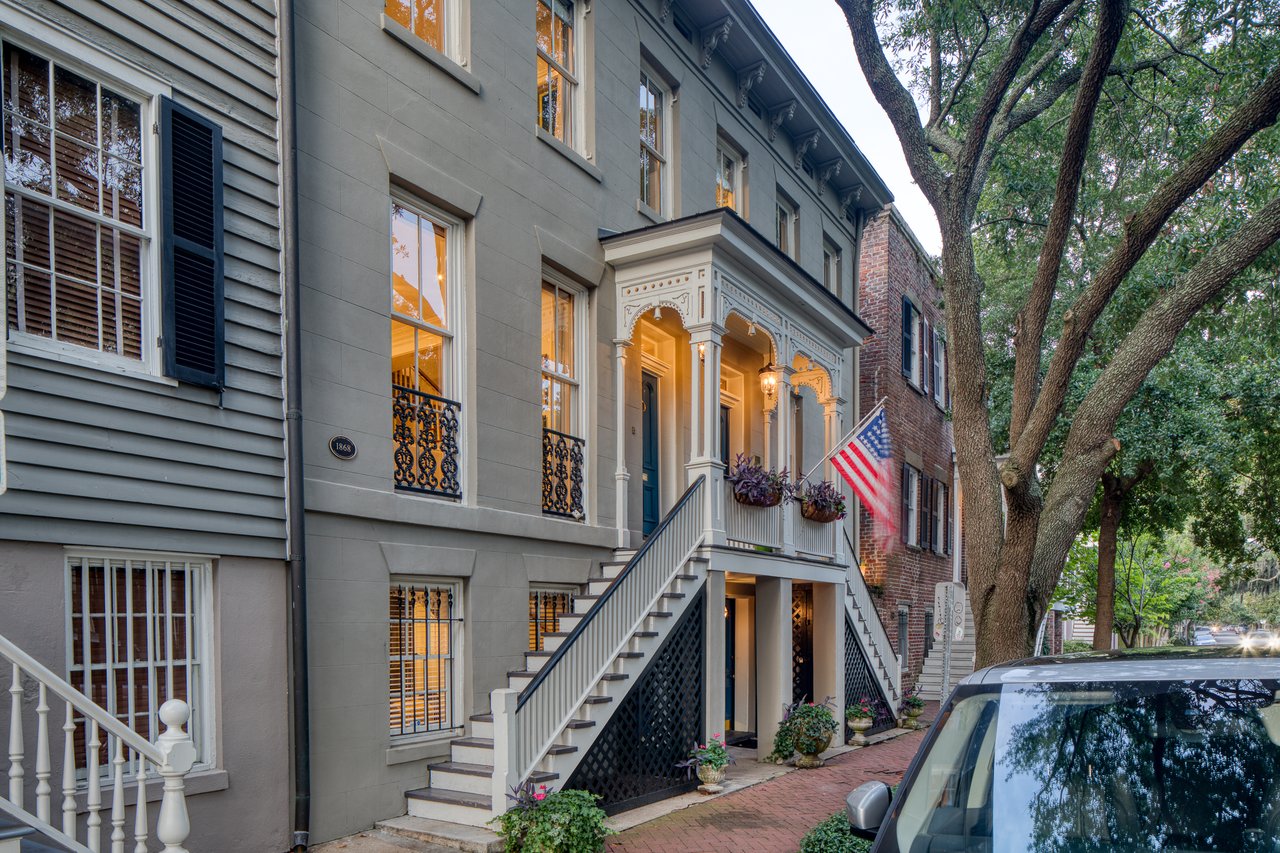
Buyer Resources, Investment Real Estate
What investors actually need to know before buying a Savannah property to rent short-term
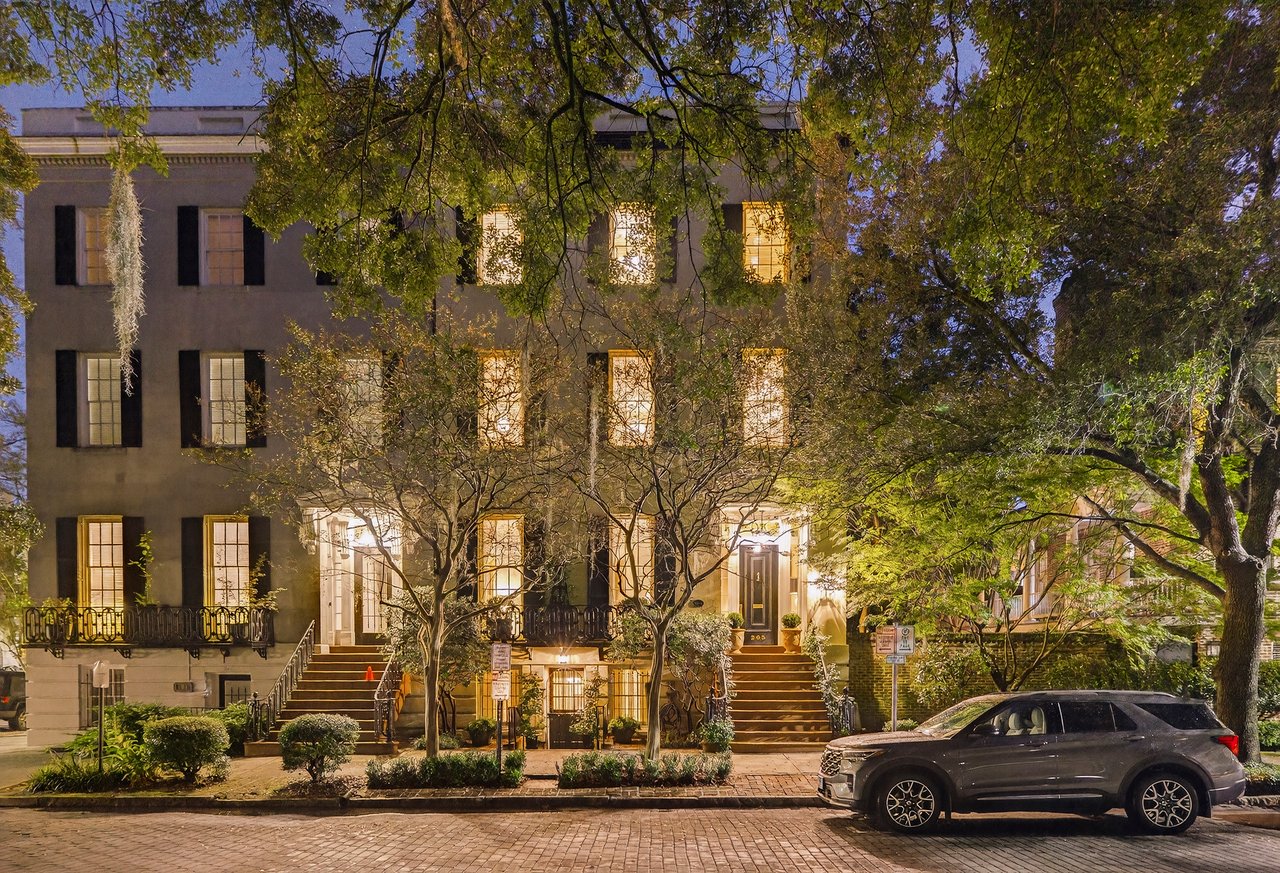
Relocating to Savannah
Best $1M+ Savannah neighborhoods near the Historic District for NYC, Boston, Chicago, and DC buyers relocating south — Ardsley Park, Isle of Hope, and more.
Navigate the intricacies of real estate negotiations with confidence. Liza's unparalleled negotiation skills have consistently delivered optimal outcomes for her clients. Trust in her ability to secure the best deals, whether you're buying or selling.