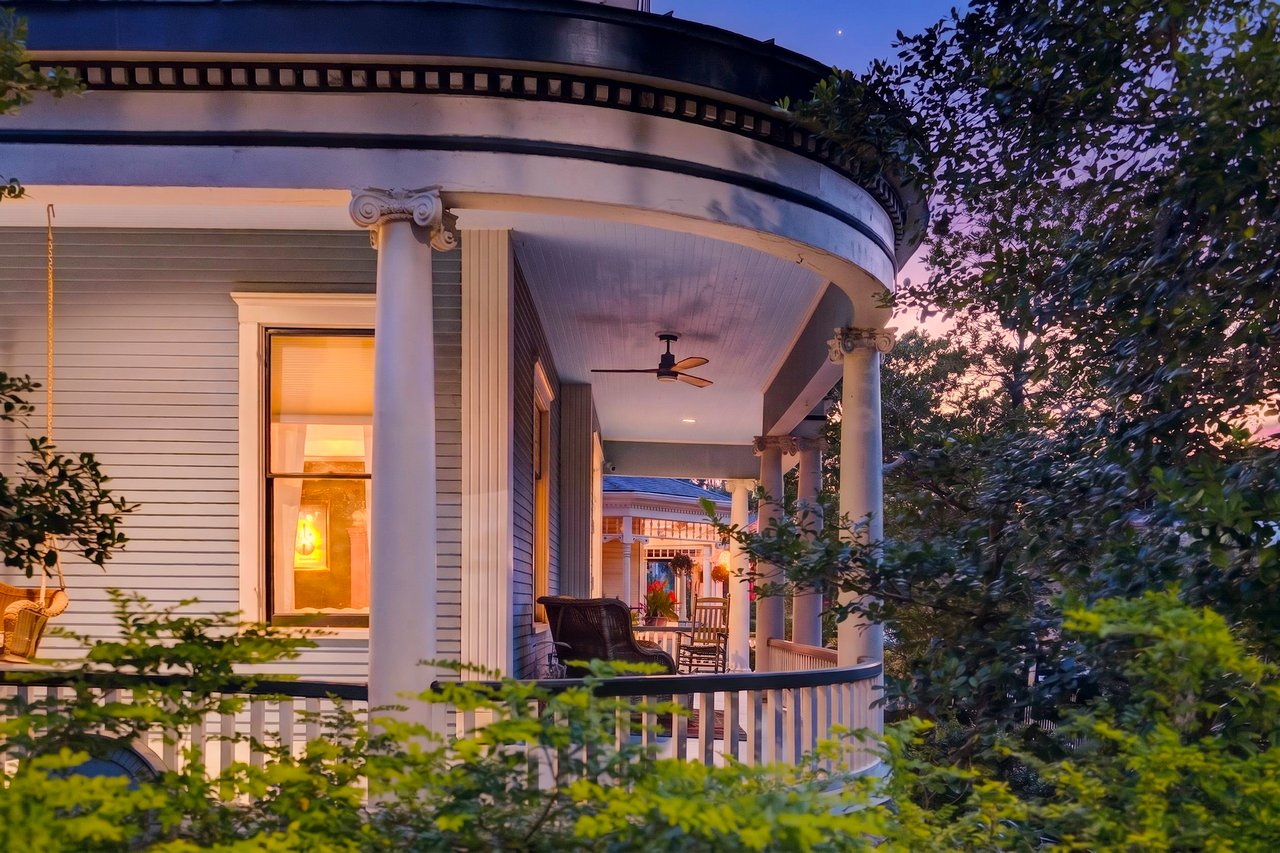
Why Isn't My House Selling in Savannah Right Now?
Savannah Real Estate Liza DiMarco July 13, 2026
Savannah Real Estate Liza DiMarco July 13, 2026
Savannah's market shifted in 2026 from a seller-dominated frenzy to a balanced, more rate-sensitive market — homes are now sitting a median of about 89 days, with some pockets stretching past 140 days on 4+ months of supply. Homes that are priced and presented correctly are still selling close to asking (around 97.8% of list price), which means the problem usually isn't “the market.” It's almost always pricing, presentation, or terms that haven't caught up to where buyers actually are right now.
By Liza DiMarco | July 8, 2026
If your Savannah listing has been sitting for 60, 90, or even 120-plus days, you're not imagining it — the ground genuinely shifted under you this year. For most of the last four years, sellers here could price optimistically, skip the staging, and still field multiple offers in a week. That version of the market is gone, at least for now.
That doesn't mean your house won't sell. It means the strategy that would have worked in 2022 needs an update in 2026.
Savannah spent years as one of the tighter seller's markets on the coast. In 2026, that flipped. Inventory built up, buyers slowed down to actually think through decisions, and the power dynamic leveled out for the first time in years.
A few numbers tell the story:
Put those together and the pattern is clear: this isn't a market where nothing sells. It's a market where nothing overpriced sells quickly, and where buyers have enough options that they'll simply move on to the next listing instead of stretching for yours.
If your home has been on the market for 30-plus days without a real offer, that's the market sending you information. Overpricing is the single most common mistake sellers are making right now, because buyers in this market are informed, patient, and actively comparing your listing against several similar ones down the street.
A few years ago, an aggressive list price might have gotten tested by a bidding war. Today, an aggressive list price mostly just gets ignored. Buyers see the days-on-market counter on Zillow and Redfin, and a stale listing quietly signals “negotiable” or “problem” whether or not that's true.
This is especially noticeable in higher-priced segments. Homes in the Historic District, for example, have recently taken a median of around 126 days to sell — nearly double the citywide figure — which tells you pricing precision matters even more as the price point climbs. The same is true for larger second-home and waterfront purchases, where buyers are comparing your listing against options across several Skidaway Island communities or coastal suburbs like Wilmington Island, not just the house next door.
Price is the biggest lever, but it's not the only one. If your price is genuinely in line with recent comps and you're still not getting traffic, the issue is usually one of these:
If it's been more than a month with little to no showing activity, the fix usually isn't “wait it out.” It's a real audit of pricing, positioning, and presentation together.
Sellers who are adjusting successfully this year are leaning on a few specific strategies instead of a straight price cut:
None of these decisions should be made in a vacuum. Whether a buy-down, a credit, or a price adjustment makes sense for your specific home depends on your equity position, your timeline, and how your listing is actually performing against current showings and feedback — that's exactly the kind of question a full listing audit is built to answer.
Before you touch your price, it helps to know exactly why buyers are passing. That usually means:
Every situation is different, and the only way to know for sure is to run the numbers with someone who's watching this specific market week to week.
How long are homes sitting on the market in Savannah right now?
Homes in Savannah are sitting a median of roughly 89 days as of 2026, with some reports citing up to 143 days and about a 4.33-month supply of inventory. Higher-priced segments, like the Historic District, are running even longer at a median around 126 days.
Is Savannah a buyer's market in 2026?
Savannah has shifted from a seller-dominated market into a more balanced, rate-sensitive one. Buyers have more negotiating room and more inventory to choose from, but well-priced homes are still selling close to asking price.
Should I lower my price if my house isn't selling?
If your home has been listed for 30-plus days with little traffic or no offers, that's usually a signal that your price, presentation, or both need a real audit rather than a wait-and-see approach. A single accurate correction typically outperforms several small cuts made over time.
What can I do besides cutting my price?
Sellers are having success with seller-paid closing cost credits and seller-funded temporary rate buy-downs, both of which make an offer more attractive to today's buyers without necessarily changing your list price. Updated photos, fresh staging, and a full marketing audit also matter more in a slower market.
Is now still a good time to sell in Savannah?
Yes, for most sellers — homeowners who've owned since before 2020 have generally built meaningful equity, and demand remains steady thanks to military transfers, port-driven job growth, and relocation activity. Success in 2026 depends more on preparation and accurate pricing than on timing alone.
If your listing has been sitting and you're not sure whether the fix is price, presentation, or both, let's run a real audit together. Schedule a free consultation and I'll walk you through exactly what your specific home needs to get moving in this market.
About Liza DiMarco
Liza is a dedicated, passionate, and market-savvy professional who puts her clients' satisfaction before all else. Her attention to detail, superior people skills, and broad knowledge of the real estate industry as a whole, along with her pure determination to indulge her clients with first-class service, sets Liza apart from the rest of the Real Estate Agent. Liza is the Savannah and coastal Georgia Network Partner in The Private Client Network — an invitation-only collective of 300+ top-producing Compass advisors across 80+ luxury markets nationwide. For clients buying or selling across state lines, it means one trusted relationship that follows them anywhere.

Navigate the intricacies of real estate negotiations with confidence. Liza's unparalleled negotiation skills have consistently delivered optimal outcomes for her clients. Trust in her ability to secure the best deals, whether you're buying or selling.