In Savannah's Historic District, It's Not the Board of Review Slowing Down Your Sale. It's the Termite Letter.
August 27, 2026
August 27, 2026
Ask a seller in the Historic District what they expect to slow down their closing, and most name the same suspect: the Savannah Historic District Board of Review. They picture a stalled Certificate of Appropriateness, a contractor waiting on approval for a window replacement, a hearing pushed to next month's agenda at 112 East State Street.
That fear is understandable, and it is also, for a straightforward sale, mostly beside the point. The Board of Review governs exterior changes visible from the street: new construction, additions, signage, awnings, color changes. Its August 12, 2026 agenda alone included a rehabilitation petition at 114 West Bay Street, an illuminated sign application at 102 West Bay Street, and an awning request at 107 West Broughton Street. Real work, real oversight, and almost none of it touches a seller who isn't renovating before listing. The document that actually decides how fast a historic home moves from contract to closing table is smaller, cheaper, and far less discussed: the wood-destroying organism report, and whether the bond behind it survives the timeline the current market is setting.
Here is the number that changes the whole conversation. In the South Historic District, homes that closed in March 2026 carried a median sale price of $1.0 million, down 17.6 percent from a year earlier, and took an average of 163 days to sell, up from 135 days the prior year. Only nine homes closed that month, compared with sixteen a year before. Across Savannah as a whole over the three months ending May 2026, the pace was far brisker: a median sale price near $339,000 and roughly 82 days on market. The Historic District isn't just pricier. Right now it is moving at roughly twice the citywide pace, and that gap is the whole reason the pest paperwork stops being a formality.
A wood-destroying insect report, the WDIR that lenders request before funding a loan, typically carries a standard shelf life of about 90 days before it needs to be refreshed. That window was designed around a market where offers land and close within a couple of months. It was not designed around a Historic District listing that now sits, on average, 163 days before it even goes under contract, then still needs weeks to reach the closing table. Get the inspection done the week you list, and there is a real chance the letter has already expired by the time a buyer's lender is ready to fund. That means a second inspection, a second fee, and a delay that has nothing to do with price negotiation and everything to do with timing an unglamorous piece of paper against a market that has gotten slower than the letter's own clock.
Termites are not a hypothetical in Savannah. The city's humidity and sandy soil create close to ideal conditions for subterranean termites, and local pest professionals like Yates-Astro Termite & Pest Control describe the climate as one where wood-destroying organisms are simply part of home maintenance, not a rare event. That is precisely why almost every home in the district carries, or should carry, some form of termite bond. The distinction buyers actually care about is which kind.
| Bond Type | What It Covers | What It Doesn't |
|---|---|---|
| Retreat-only | Additional treatment if termites return | Repair costs for any damage they cause |
| Repair-and-retreat | Treatment and the cost of repairing resulting damage | Often excluded if the crawlspace has foam insulation or has been encapsulated |
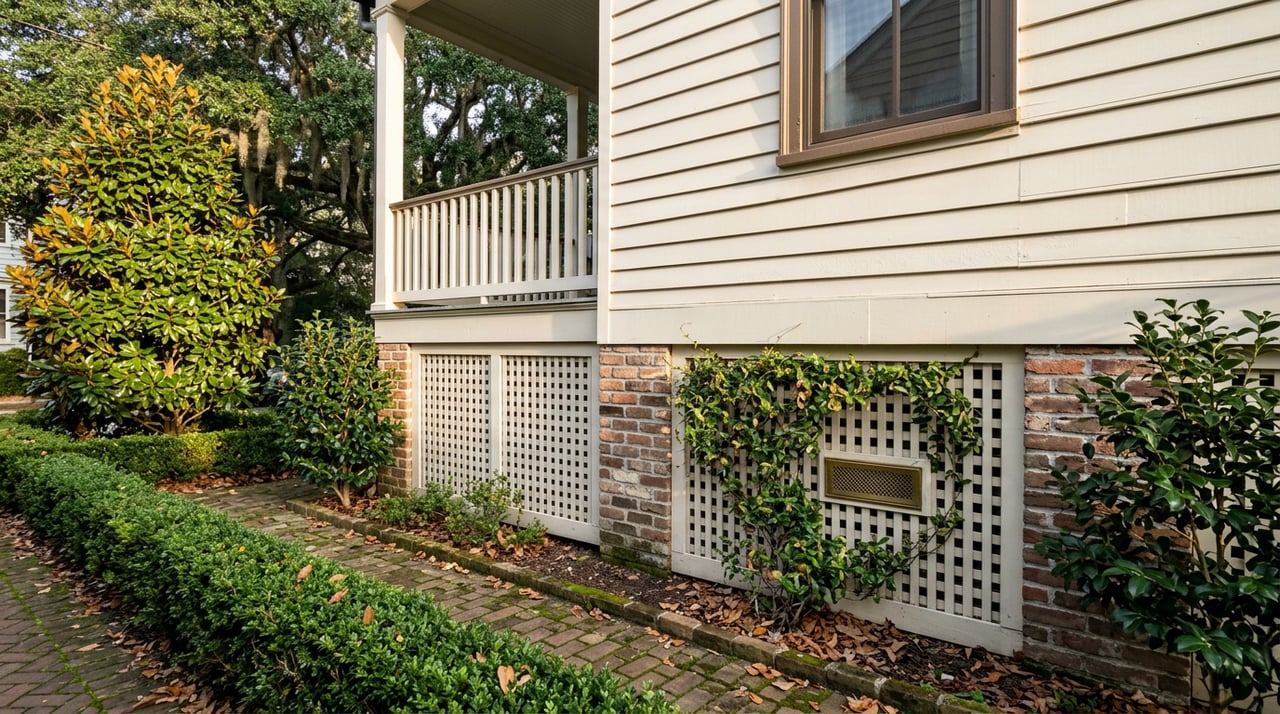
That second row is the part sellers of older homes rarely see coming. Foam insulation in an attic or crawlspace, and a fully encapsulated crawlspace, are both popular upgrades in the district's more actively renovated properties. They also happen to be two of the conditions that can disqualify a home from the repair-and-retreat coverage buyers most want to see transferred at closing. A homeowner who spent real money sealing and conditioning a crawlspace for comfort and energy efficiency may have unknowingly narrowed the bond options available to whoever buys the house next. None of this means the upgrade was a mistake. It means a seller needs to know, before listing, which type of bond is actually in place and whether it is one a buyer's lender will treat as reassuring or as a reason to ask more questions.
A transferable bond, of either type, is worth more at the negotiating table than a brand-new one purchased the week of closing. Prestige Pest Control, which serves the Savannah and Pooler area, notes that lenders routinely require the WDIR paperwork regardless of the bond's type, and a seller who already has clean, transferable coverage in hand walks into due diligence from a position of strength rather than scrambling to produce it after a buyer asks.
Georgia is a caveat emptor state, which means the burden of discovery technically sits with the buyer. That principle has a limit. Sellers cannot conceal a known material defect, and termite or pest history is one of the specific line items on the standard Seller's Property Disclosure Statement used across the state. The law does not require the disclosure to be handed over until after an offer is made, but waiting that long rarely serves a seller well in a market where buyers already have 163 days of leverage baked into the calendar. Providing a clean disclosure and current WDIR alongside the listing itself, rather than after an offer arrives, removes one more reason for a buyer to slow down or renegotiate once they are already emotionally invested in the house.
If a previous infestation was treated years ago and the home has carried an active bond ever since, that history belongs on the disclosure, documented rather than implied. Georgia's framework rewards a seller who states plainly what happened and what was done about it. It does not reward silence, and a slower market gives buyers more time to notice the difference.
The practical fix is sequencing, not paperwork volume. A seller preparing a Historic District listing benefits from three things happening before the sign goes in the yard rather than after an offer arrives:
First, confirm what bond is currently in place and whether it is retreat-only or repair-and-retreat, and check that directly against whether the crawlspace has foam insulation or encapsulation that might affect coverage. Second, time the WDIR inspection with the 163-day reality of this specific submarket in mind, not the 82-day pace of Savannah overall, so the letter is still valid when a lender actually needs it. Third, have the disclosure statement and any treatment history organized and ready to hand a buyer's agent on day one, not after the first offer lands.
This is the kind of preparation that belongs in the same conversation as staging, photography, and Matterport tours: unglamorous, invisible to most buyers scrolling listings, and directly responsible for whether a contract holds together on schedule. A listing that arrives with its pest paperwork already resolved gives a buyer one less reason to pause, and in a district where the median home is already taking more than five months to sell, removing even one predictable delay matters.
Do I need a new termite bond if the current one isn't transferable? Not necessarily before listing, but you should know the answer before a buyer asks. A non-transferable bond simply means the buyer will likely need to establish their own coverage after closing, which is worth disclosing plainly rather than letting a buyer discover it during their own due diligence.
What if my home has had termites before but no damage? Disclose it. A documented treatment with no structural damage, backed by an active bond, generally reads to buyers and lenders as a resolved issue rather than a red flag. Silence on prior treatment reads worse than the treatment itself.
Does the Board of Review ever factor into a straightforward sale? Only if work is being done to the exterior before listing, such as repairs to street-facing woodwork or a color change. A sale of the home as it stands does not require Board of Review approval on its own.
The paperwork that actually governs your timeline in this market is smaller than most sellers expect and easier to get ahead of than a hearing date. If you are weighing when to list a historic property in Savannah and want a second set of eyes on what your specific home's pest history and bond coverage mean for a buyer's lender, Liza DiMarco is a straightforward place to start that conversation.


Navigate the intricacies of real estate negotiations with confidence. Liza's unparalleled negotiation skills have consistently delivered optimal outcomes for her clients. Trust in her ability to secure the best deals, whether you're buying or selling.