Isle Of Hope: Marshfront Lifestyle Basics
December 4, 2025
December 4, 2025
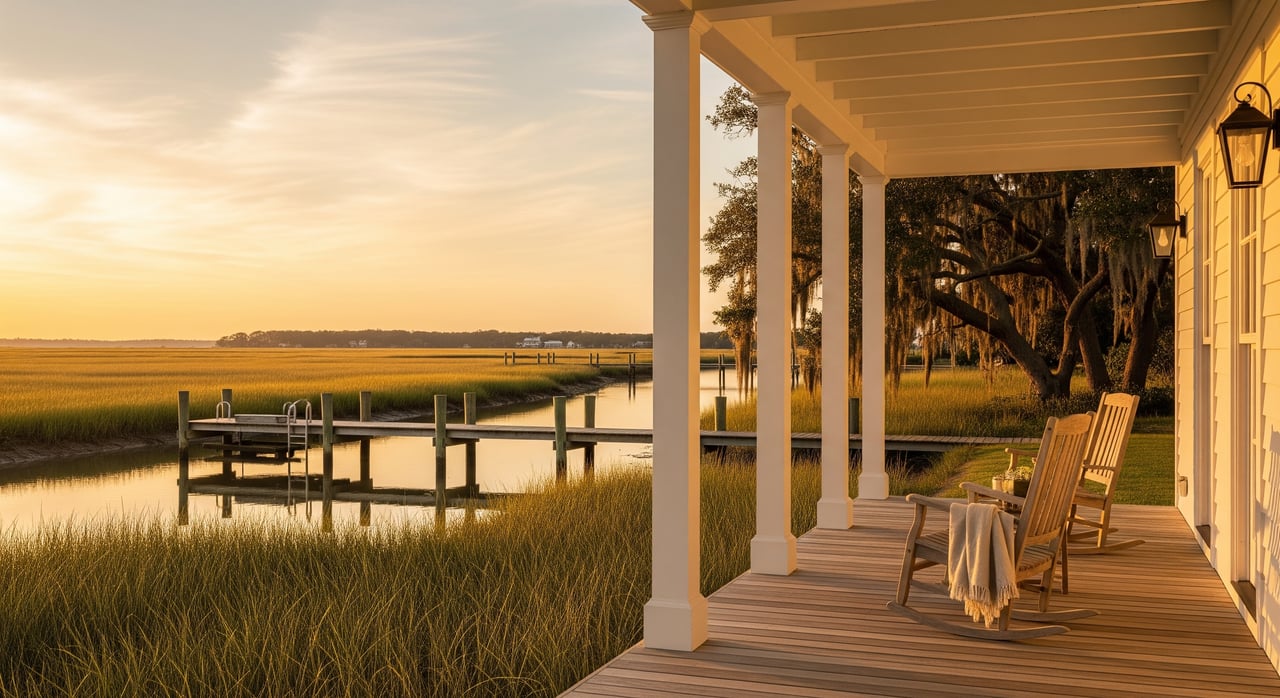
Ever picture your morning coffee with a wide-open marsh view and shorebirds as your soundtrack? On Isle of Hope, that scene is a regular part of life. If you are weighing a move from in-town Savannah or another coastal market, understanding how tides, docks, and daily routines work will help you decide if this marshfront lifestyle fits. In this guide, you will learn what to expect day to day, how boating and dock access actually work, and the practical prep that keeps coastal living easy. Let’s dive in.
Isle of Hope is a quiet peninsula community south of central Savannah in Chatham County. It borders tidal creeks that connect to larger channels and the Wilmington River within the Savannah estuary. Streets run across upland and marsh edges, so some properties sit right on the marsh and others are a short walk away.
Homes vary in style and age. You will see historic cottages, mid-century homes, and newer construction. Lots range from compact yards that touch the marsh to deeper parcels tucked inland.
This is a tidal salt-marsh environment. At high tide, you get broad water views and easy floating for kayaks and small boats. At low tide, channels narrow and mudflats appear, revealing wading birds and an entirely different landscape.
Wildlife is part of the daily rhythm. Expect regular sightings of shorebirds, crabs, and oysters along the banks, with fish using the creeks as nursery habitat. Many residents build their day around short walks, porch time, and birdwatching at sunrise and sunset.
Your view changes with the tide, light, and season. High tide brings water right up to the marsh grass and reflects the sky. Low tide exposes textured mudflats that attract feeding birds. When you tour homes, try to visit at different tide stages to understand both the aesthetics and the practical access.
The climate is humid subtropical. Summers are hot and humid. Winters are generally mild, so you can enjoy outdoor living and boating most of the year, with peak activity in warm months. Summer through fall is also tropical storm and hurricane season, which is why simple preparedness routines are standard for coastal homeowners.
Small-to-medium recreational boats are the norm here. Center consoles, flats boats, skiffs, and kayaks dominate the creeks. Paddleboards are popular for quiet exploration at slack tide.
Activities range from inshore fishing and crabbing to day trips along the estuary. Many residents enjoy quick runs for dinner on the water, beach time on nearby barrier islands, or sunset cruises.
You might launch early for inshore trout or redfish, beach a skiff on a sandbar at mid-tide, then idle back for golden-hour views. Others plan short trips toward Savannah’s waterfront or out toward barrier islands when conditions are favorable.
Tides drive access. Shallow-draft boats like flats skiffs, jon boats, and kayaks excel in the creeks. Larger or deeper-keeled vessels require consistently deeper channels or marina slips. When you evaluate a property, consider both the channel depth at different tides and the draft of the boat you plan to own.
Dock setups are tailored to tides and site conditions. The right design makes daily use easy and protects your boat and the structure over time.
Because water depth shifts through the day, access can be excellent at high tide and tight at low tide on some sites. On others, the channel stays navigable all day. Dock orientation often considers current and tide so you can approach and tie off safely.
At very low water, you may see exposed mudflats along marsh edges. That can affect small-boat beaching and immediate shoreline access. Floating sections and longer piers can help reach deeper water and reduce grounding risk.
Buyer takeaway: Look at docks at both high and low tide, note whether the structure is fixed or floating, and check for a lift. Confirm where boats typically sit relative to the channel.
Salt air and humidity increase wear compared with inland environments. Metals corrode faster, exterior coatings age sooner, and HVAC systems work harder. Marsh proximity can also mean more insects in warm months.
Many owners prioritize screened porches, marine-grade finishes, and regular upkeep on wood and fasteners. Docks and exterior hardware benefit from periodic inspection so small fixes do not become large repairs.
Tidal flooding and storm surge are the key coastal risks. Exposure varies by lot elevation and distance from major channels. Many owners carry flood insurance. Your agent and insurer can help you understand policy options for a specific address.
Preparedness is part of the lifestyle. It is common to have shutters or panels ready, a plan for securing or lifting boats, and supplies for short-duration storm events. Freeze events are rare, but brief cold snaps can occur.
Isle of Hope offers a relaxed residential pace within a short drive of central Savannah. Commute times vary by route and time of day, but many residents work in the city and return to the island for quieter evenings.
You will find everyday services in the broader Savannah area, including grocery, medical, and specialty shops. Neighborhood-scale options are more limited on the peninsula, so plan on quick drives for routine errands. For school information, verify assignments with Savannah–Chatham County Public Schools for your specific address.
Nearby marinas, public ramps, and boat services support the local boating culture. Winter storage, routine maintenance, and fishing advice are easy to access in the Savannah area.
You will enjoy Isle of Hope if you value water views, active outdoor time, and a slower residential pace. It fits buyers who want everyday access to marsh walks, kayaking, and casual boating without giving up proximity to city amenities.
If your ideal weekend is a short run to a sandbar or a sunset cruise after work, this setting delivers. If you prefer dense urban energy, the island’s quieter rhythm may feel too relaxed.
Use this simple framework when touring homes so you can compare apples to apples.
If marsh horizons, easy boating, and a calm island pace speak to you, now is a smart time to explore Isle of Hope. You can tour homes in person or via premium video and 3D walkthroughs, and you will get clear, practical guidance on docks, tides, and daily life. For a polished, concierge-level experience supported by Compass tools and deep local insight, connect with Liza DiMarco.

Local Guides, Lifestyle
The best dog parks, dog-friendly restaurants, and the only real dog beach near Savannah's Historic District

Luxury Real Estate
Why this market rewards deep local knowledge over general real estate experience — and what that actually looks like in practice
Buyer Resources, Investment Real Estate
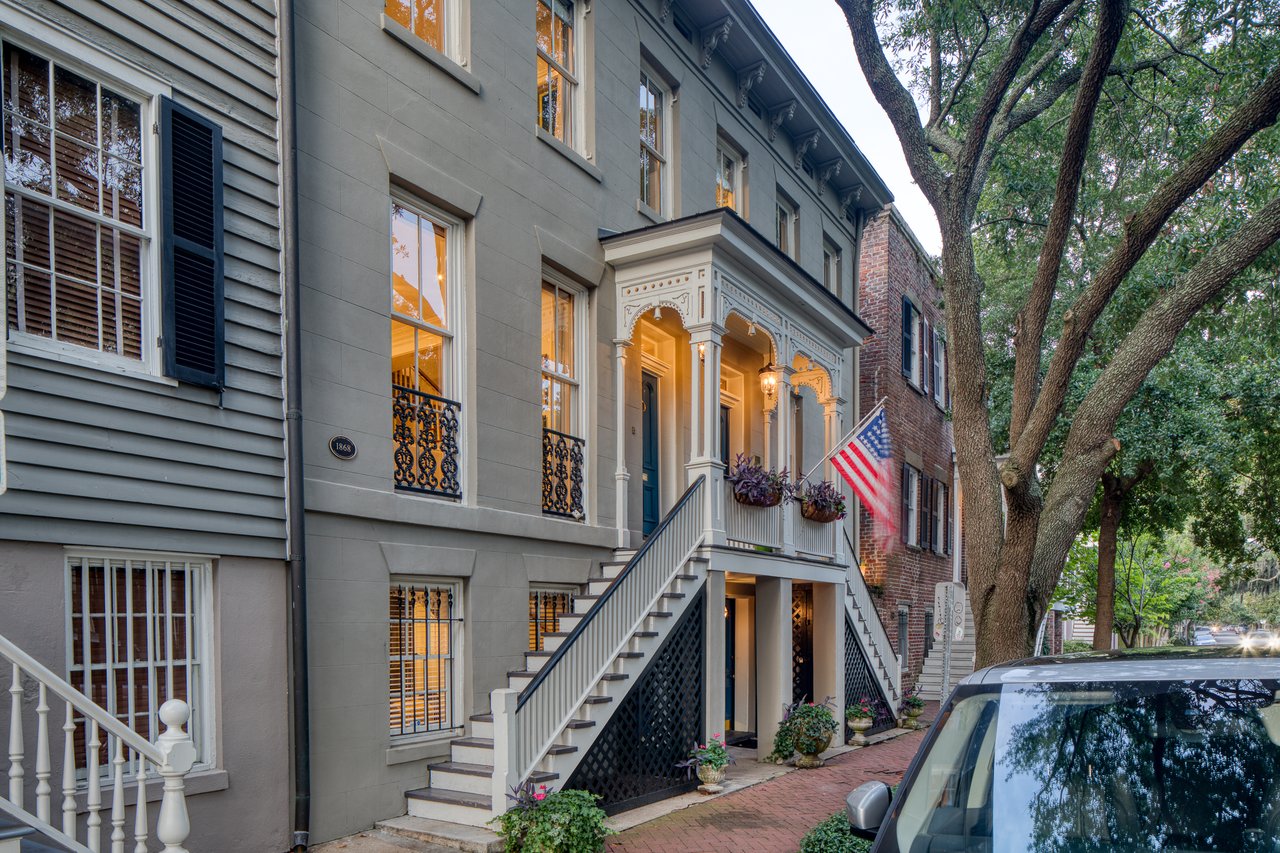
What investors actually need to know before buying a Savannah property to rent short-term
Relocating to Savannah
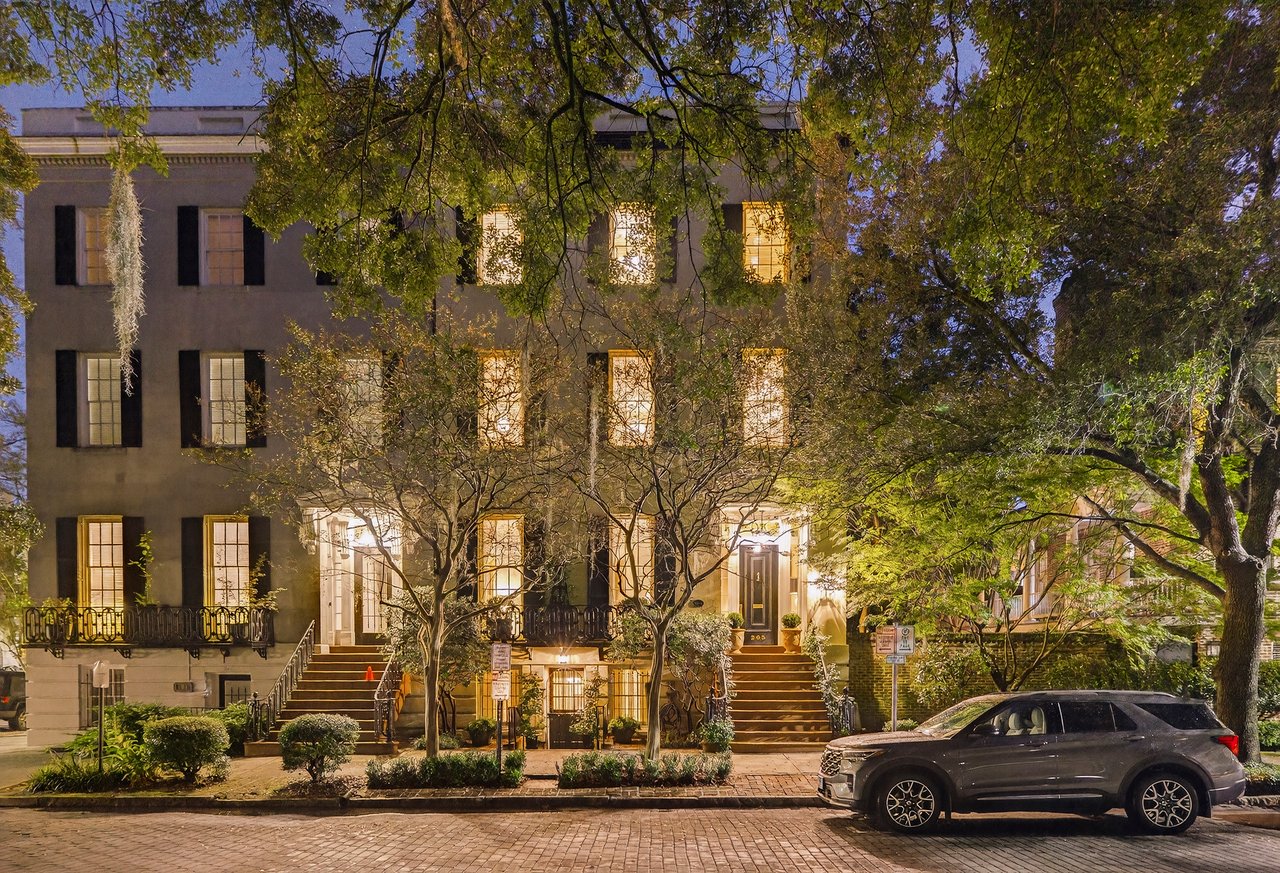
Best $1M+ Savannah neighborhoods near the Historic District for NYC, Boston, Chicago, and DC buyers relocating south — Ardsley Park, Isle of Hope, and more.
Navigate the intricacies of real estate negotiations with confidence. Liza's unparalleled negotiation skills have consistently delivered optimal outcomes for her clients. Trust in her ability to secure the best deals, whether you're buying or selling.