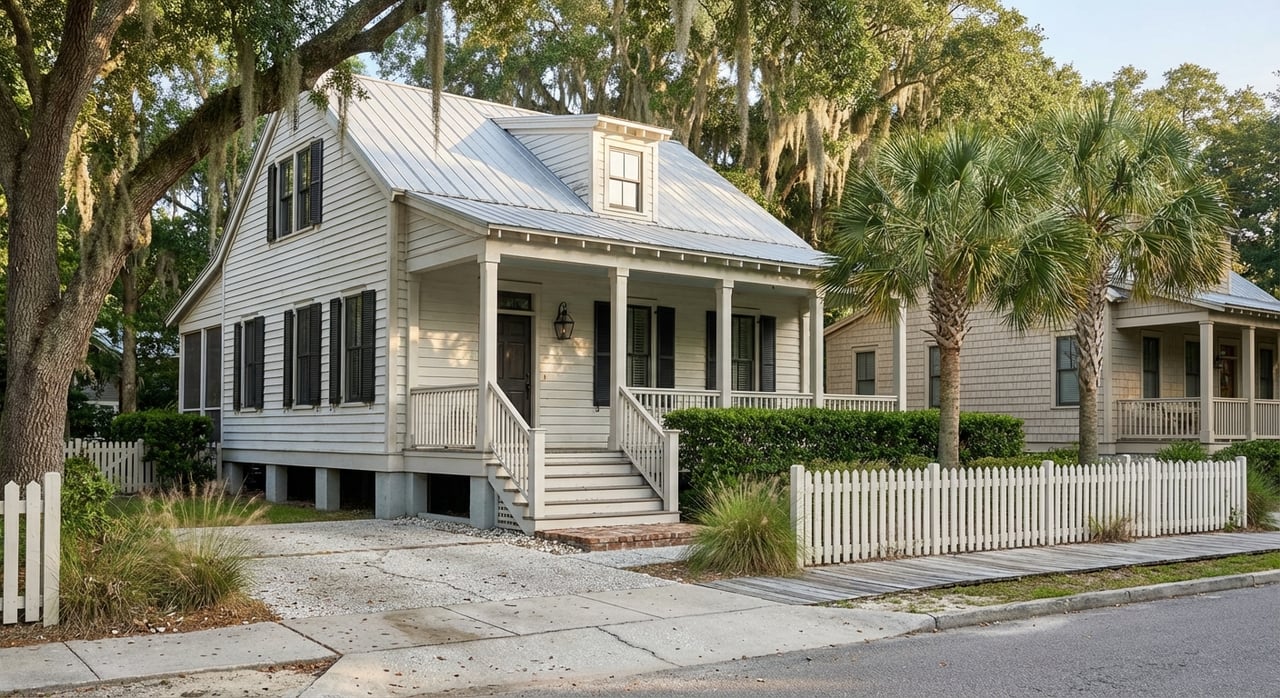
Which Tybee Island Neighborhood Fits Your Second Home?
February 19, 2026
February 19, 2026
Thinking about a beach place where you can slip away for long weekends, then offset costs when you are not there? Tybee Island offers four distinct zones that feel very different from one another, and the island’s short‑term rental rules make location and permitting strategy essential. In this guide, you will compare neighborhoods, understand the current STR framework, and see the due‑diligence steps that protect your purchase. Let’s dive in.
Tybee groups naturally into four zones: the lively South End around the Pier and Pavilion, the quieter North Beach and historic Fort Screven, the balanced Mid Island stretch, and the Back River on the sunset side. Each offers a different mix of walkability, beach access, visitor activity, and ownership experience. The right fit comes down to how you plan to use the home and whether nightly rental income is part of your strategy.
This is the island’s activity center with restaurants, shops, and the Walter Parker Pier all within a short stroll. Travel guides highlight the South End as the most walkable, amenity‑rich pocket of Tybee, which is why it stays busy in peak months. You will feel the buzz here most of the year, especially on weekends and during events.
Beach access is straightforward, and the largest public beachfront parking sits between 14th and 18th Streets. If you host guests, it helps that visitors can find and pay for spots easily using the city’s official Tybee Island parking information.
Rental demand is strongest in this area thanks to walkability and proximity to dining and activities. That said, STR success depends on permitting. Tybee requires a short‑term rental certificate, and the city limits new certificates in several single‑family zones. Before modeling income, read the City’s Short‑Term Rentals page and confirm whether a specific property’s certificate is current and transferable.
Noise is part of the South End experience. Tybee enforces quiet hours and a written standard for what is “plainly audible,” so you and your guests should be mindful of evening sound. Review the city’s Noise Ordinance to understand expectations.
Best for: buyers who want maximum walkability and strong guest demand, and who accept higher visitor activity and evening noise as the tradeoff.
Mid Island offers an appealing middle ground. You are close to the beach without the constant foot traffic of the Pier area, and streets feel more residential after dinner. Many homes here are elevated beach houses or updated cottages with three to four bedrooms, which suits owners who plan to host extended family or occasional renters.
Parking is metered in many spots and beach access uses dune crossovers. For guest simplicity, point visitors to the city’s Tybee Island parking information so they can plan payment and locations.
Rental appeal is solid for families and groups that value calmer evenings, while still being a short bike ride to restaurants. If you intend to rent, verify the home’s zoning and certificate status early in negotiations.
Best for: owners who want easy beach access and a quieter evening scene than the Pier, with sensible rental potential if licensed.
At the north end, historic Fort Screven and the lighthouse set a scenic tone. Visitor guides describe this area as calmer than the Pier, with broad beaches, ship‑watching, and a historic fabric that appeals to buyers who prefer a slower pace. To get a feel for its past, explore the Fort Screven history.
Public parking and beach crossovers are available, and summertime activity still picks up, but nights read as more relaxed than the South End. Some listings here can command premiums for lighthouse glimpses or proximity to historic spots, though values always track condition and exact location.
Rental appeal skews toward guests who prioritize scenery and quiet. You may see lower peak occupancy than right by the Pier, balanced by strong rates in summer. Always underwrite with current STR rules and property‑level performance in mind.
Best for: buyers who value history, views, and calmer nights, with selective rental use when licensed.
On the sunset side, the Back River and tidal creek pockets deliver a more residential, waterfront feel. Think private docks, kayaking, and big sky sunsets across the marsh. Public beach foot traffic is lighter here, and the soundtrack is more about boats and seabirds than nightlife.
You will see a mix of classic cottages and larger waterfront homes on bigger lots. Some properties are oriented to owner use or longer stays, with occasional luxury STRs where certificates exist. If nightly rental is part of your plan, zoning and license transfer rules matter even more here because waterfront homes can sit in strictly residential districts.
Best for: owners who put scenery and boating access first, with occasional or longer‑stay rentals if permitted.
Short‑term rentals in Tybee are defined as stays of fewer than 30 days and require an annual certificate. The city will not issue new STR certificates in several residential districts, including R‑1, R‑1B, and R‑2. Before you rely on rental income, verify zoning, whether a current certificate exists, and if it can transfer on sale by reviewing the city’s Short‑Term Rentals page.
In June 2024, local coverage reported council action intended to reduce STR density over time, including changes to how certificates transfer and where new ones are allowed. You can read WTOC’s report on the council vote for context, then confirm current rules with the City.
Taxes and fees matter. Tybee requires a 7 percent local room tax, and Georgia applies state sales tax to short‑term stays plus a statewide 5 dollar‑per‑night hotel‑motel fee. The city outlines local remittance responsibilities on its Short‑Term Rentals page, and you can review the state fee’s origin in this Georgia DOR presentation. Platforms may collect some items, but hosts remain responsible for compliance.
Noise and guest management affect your bottom line too. Tybee enforces quiet hours and can sanction STR certificates after violations, so plan for clear house rules and guest screening. The Noise Ordinance explains the standard.
Finally, model flood, elevation, and insurance with care. Tybee is a barrier island with a local freeboard requirement for new or substantially improved structures, and FHA loans issued in 2025 and later require two feet above base flood elevation. The city’s flood information for homeowners explains maps, elevation certificates, and insurance considerations.
Policy status changes. Check ordinance updates with the City before you write offers, and capture STR certificate details in writing.
Island‑wide analytics vary by provider, which is common in resort markets. An Airbtics analysis for Nov 2024 through Oct 2025 showed a median occupancy near 63 percent, an average daily rate around 324 dollars, and roughly 906 active Airbnb listings. AirDNA MarketMinder reported a different snapshot with occupancy near 54 percent and ADR around 427 dollars for a broader listing set. Both highlight strong seasonality, with late spring and summer driving the highest rates and weekly bookings.
How to use this: build three cases for your underwriting. A conservative case that leans on the lower occupancy figure and higher costs, a middle case that blends the two data sets, and an aggressive case that assumes peak rates and strong summer weeks. Then layer in your specific home’s permit status, exact proximity to the beach or Pier, parking capacity, and guest capacity rules. Property‑level history will always beat market averages.
Second‑home success on Tybee comes from matching your lifestyle goals with the right block, then aligning permits, taxes, and insurance before you close. If you want a tailored search, careful underwriting, and a polished, concierge experience from first tour to keys, connect with Liza DiMarco. Let’s make your island home both effortless and smart.
Buyer Resources, Investment Real Estate
What investors actually need to know before buying a Savannah property to rent short-term
Relocating to Savannah
Best $1M+ Savannah neighborhoods near the Historic District for NYC, Boston, Chicago, and DC buyers relocating south — Ardsley Park, Isle of Hope, and more.
Relocating to Savannah, Local Guides
What daily life without a car actually looks like in downtown Savannah — parks, transit, biking rules, and who it suits best

Lifestyle, Local Guides
Where Savannah's serious golfers actually hold a membership, from an 18th-century club to a six-course Skidaway Island community

Local Guides, Savannah Lifestyle, Historic District, Waterfront Living
A walking guide to Savannah's 22 historic squares, complete with history, landmarks, and cross streets in the Historic District"

Lifestyle, Local Guides
Where to buy local produce, meat, and baked goods near downtown Savannah — plus a brand-new sunset market on the river
Relocating to Savannah
A month-by-month moving checklist for relocating to Savannah, from your first scouting trip to settling in
Luxury Real Estate , Relocating to Savannah, New Construction, Local Guides
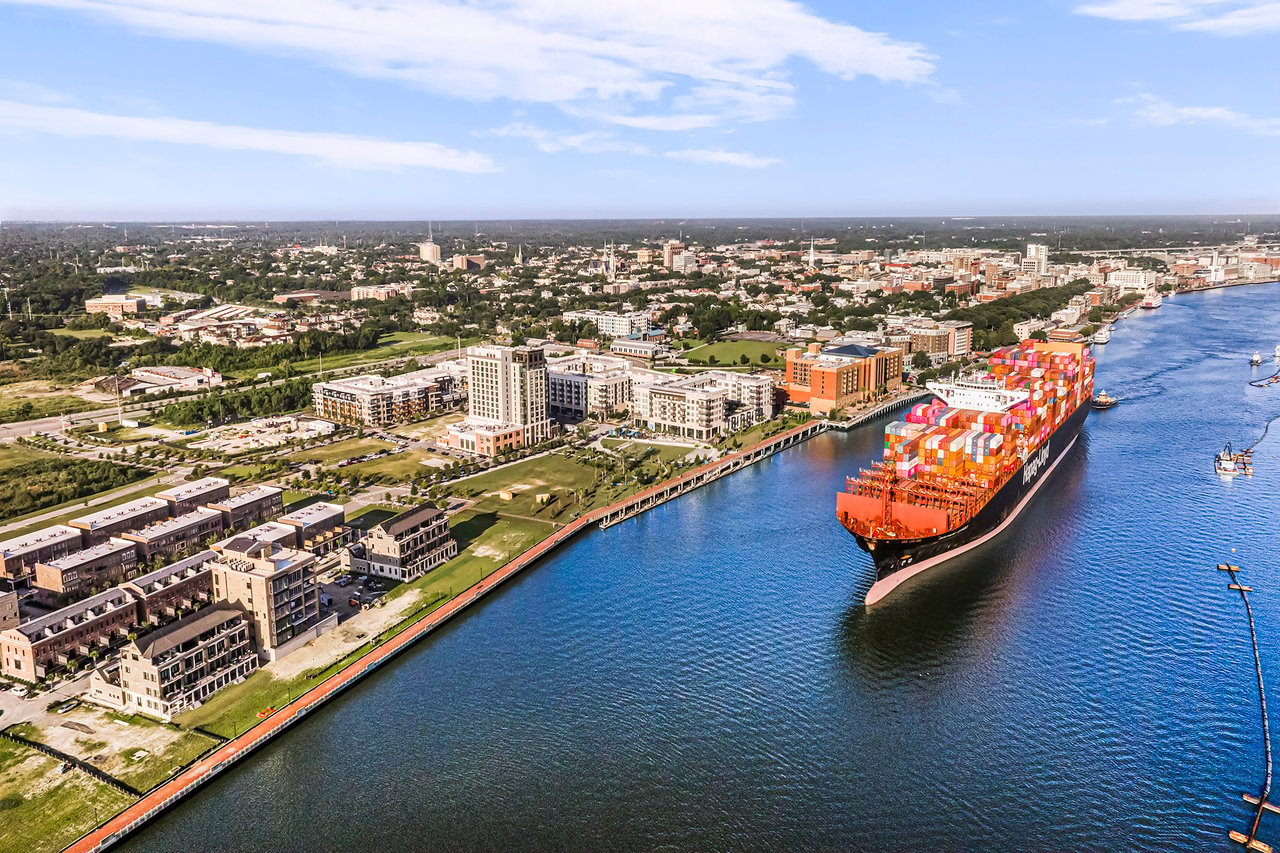
Savannah's only new-construction riverfront neighborhood in the Historic District — Upper East River homes from $1M to $5M+

Waterfront Living, Local Guides, Savannah Lifestyle, Boating & Marinas
Where to dock, fuel up, and step straight into River Street's cobblestone streets.
Navigate the intricacies of real estate negotiations with confidence. Liza's unparalleled negotiation skills have consistently delivered optimal outcomes for her clients. Trust in her ability to secure the best deals, whether you're buying or selling.