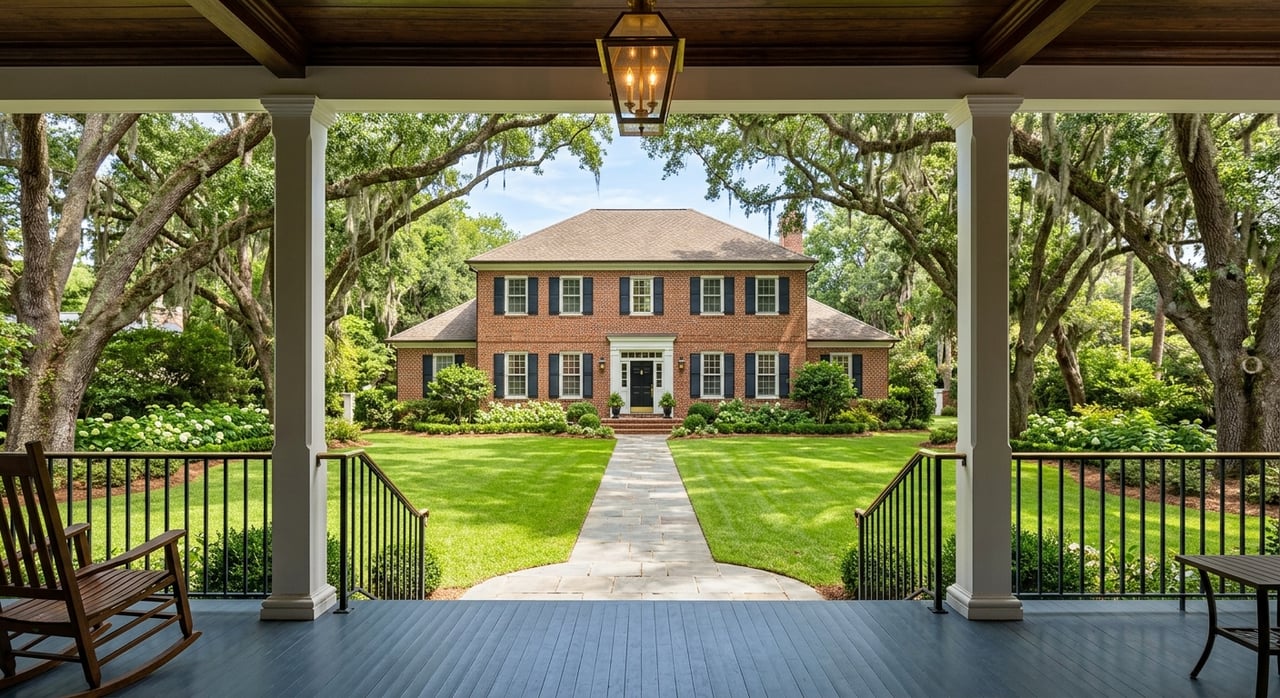
Wilmington Island Home Buyer Guide: Is This Coastal Suburb Right?
May 14, 2026
May 14, 2026
If you want coastal access without committing to full beach-town living, Wilmington Island is worth a closer look. For many buyers, the challenge is finding a place that feels established and convenient while still giving you that everyday connection to the water. This guide will help you decide whether Wilmington Island fits your lifestyle, priorities, and home search goals. Let’s dive in.
Wilmington Island is a census-designated place in Chatham County with 15,129 residents spread across 8.3 square miles. Census data also show a 77.0% owner-occupied housing rate, which helps explain why the area often feels stable and well established rather than transient.
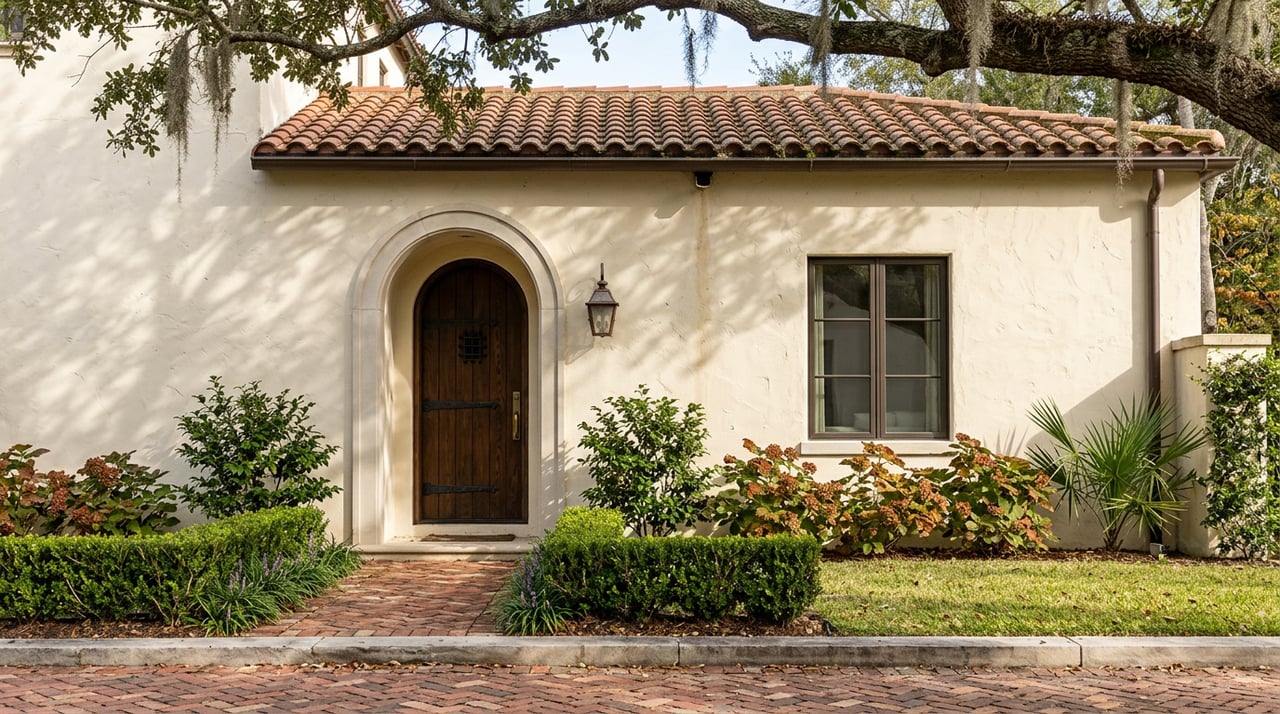
This is not a new-construction fringe market with one dominant housing style. Instead, you will find an island suburb with a residential feel, mature neighborhoods, and a mix of housing types that reflects years of growth and change.
For many buyers, that balance is the appeal. You are close to Savannah’s eastern coastal corridor and on the same general route toward Tybee Island, but your day-to-day setting is more residential than resort-driven.
Wilmington Island tends to appeal to buyers who want coastal proximity, practical convenience, and established surroundings. Public data suggests it is especially well suited to people who value owner-occupied neighborhoods and a more settled pace.
The area’s population profile also leans older than a typical starter-home suburb, with 23.4% of residents age 65 and older and 18.7% under 18. That does not define who should live here, but it does support the idea that Wilmington Island attracts a broad mix of long-term residents rather than only first-time buyers.
If you are looking for dense urban energy or highly walkable, mixed-use living, this may not be your best fit. If you want room to breathe, access to the coast, and a location that works for everyday life, Wilmington Island becomes much more compelling.
One of Wilmington Island’s practical strengths is access. US 80, President Street, and the Islands Expressway form the main east-west connection through this corridor, linking the island with Savannah and the route toward Tybee.
The Census reports a mean travel time to work of 28.3 minutes for Wilmington Island residents. That supports a simple takeaway: this is a car-oriented area, but it can still work well if you want a coastal setting without giving up connection to the city.
If public transit matters to you, Chatham Area Transit’s Route 10 runs between downtown Savannah and Wilmington Island. Even so, most buyers should expect daily life here to center more on driving than walking or transit use.
A big part of Wilmington Island’s appeal is variety. Chatham County property records and planning files point to a mix of subdivisions and attached-home communities, including Islandwood, Turners Cove, Walthour, Island Creek, The Commons at Wilmington Island, Wilmington Park, Mayer Subdivision and Mayer Plantation, Harbour Creek, The Colony, The Settlement on Wilmington, and Saint Andrews Place.
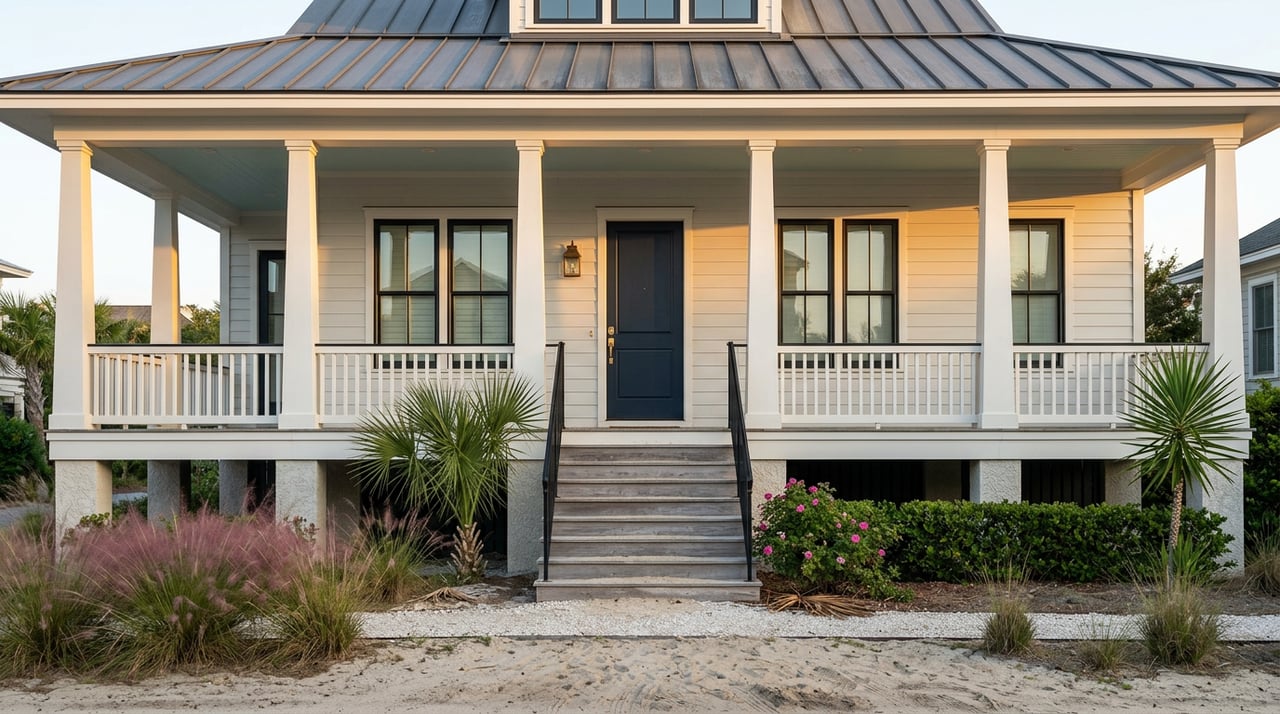
That mix matters because it gives you more than one version of island living. Depending on the property and location, you may find detached homes, townhomes, condos, and homes near marina or golf-related uses.
A 2025 MPC staff report describes the area as predominantly residential, with both single-family and multi-family development. In practical terms, you should expect Wilmington Island to offer a blended housing stock rather than a one-style neighborhood experience.
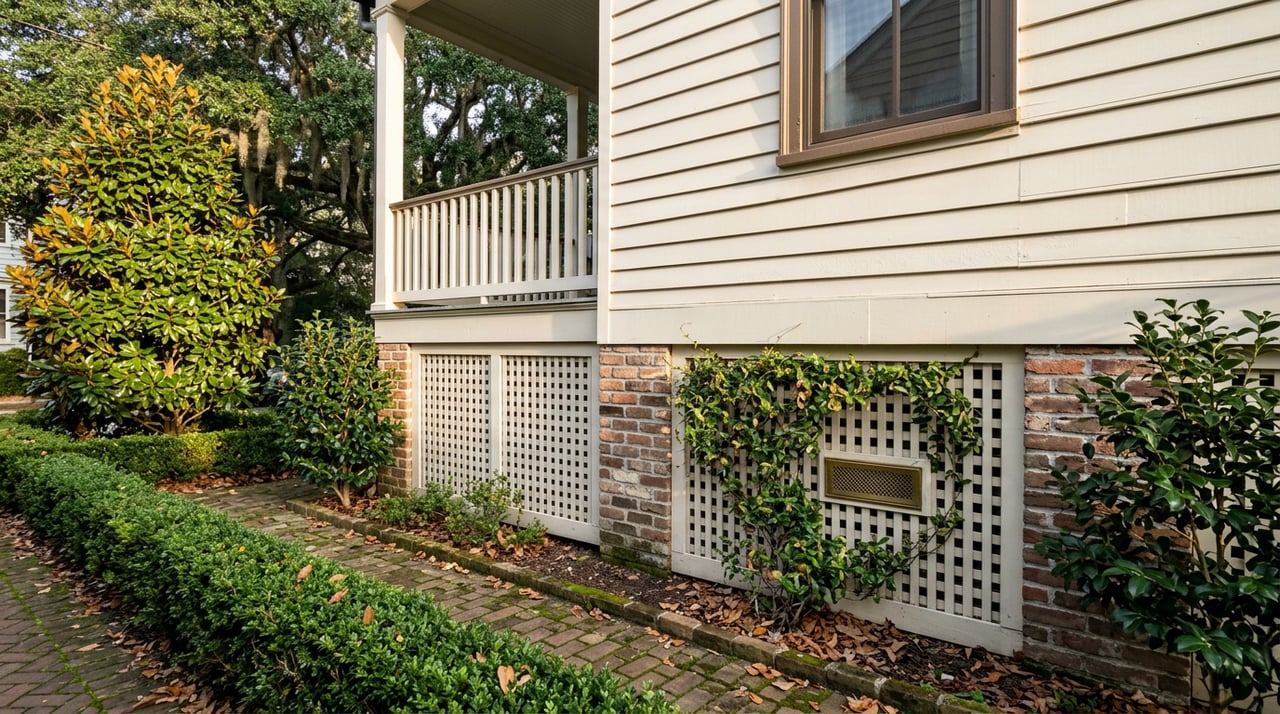
If you are buying on or near the water, coastal due diligence matters. On Wilmington Island, floodplain and elevation questions should be part of your home search from the beginning, especially if you are comparing homes with waterfront features, marsh exposure, or lower-lying sites.
Chatham County states that new homes and substantial improvements in unincorporated areas must be elevated at least three feet above base flood elevation. A recent MPC report for one Wilmington Island site also noted AE-10 and 500-year flood zones, which shows why property-specific review is so important.
This does not mean every home comes with the same level of risk or cost. It does mean you should be ready to review flood zones, elevation certificates, flood insurance questions, and any dock or waterfront details before you move too far into a purchase decision.
Wilmington Island offers the kind of outdoor amenities many coastal buyers want close to home. Wilmington Island Community Park at 2401 Walthour Drive includes playgrounds, bathrooms, a pavilion, disc golf, open lawn space, and a low-country landscape setting.
Chatham County code also identifies a Wilmington Island Neighborhood Park at Lang Street and Wilmington Island Road. In addition, the Frank G. Murray Community Center at 125 Wilmington Island Road adds another local civic amenity for residents.
For buyers who want easy boating access, Georgia DNR lists the Turners Creek Boat Ramp on Wilmington Island with a paved ramp, parking, a courtesy dock, and life jackets. DNR permit records also show a Turners Creek marina facility at 135 Johnny Mercer Boulevard with floating docks and long-term slips.
If beach access is part of your lifestyle, Tybee Pier and Pavilion is the nearby county-managed oceanfront destination on the same US 80 corridor. That gives you a useful lifestyle comparison: you can live on Wilmington Island and still keep Tybee’s beach access within reach.
If schools are part of your move, it is important to verify assignments by property address. SCCPSS states that attendance zones are established by the Board of Education, and boundary changes for 2026-27 are now reflected in InfoFinder.
For Wilmington Island, the core public-school reference points are May Howard Elementary, Coastal Middle School, and Islands High School. SCCPSS identifies these schools in the area, and Islands High is described as a traditional community high school with Honors and AP offerings.
The key takeaway is simple: use school information as part of your due diligence, but do not assume a home belongs to a specific school based only on neighborhood name or general location. Address-level confirmation matters.
Wilmington Island is often a strong match if you want an established coastal suburb with a residential atmosphere and practical access to Savannah. It can also make sense if you value boating, parks, and a location that keeps beach days possible without living in a full vacation-market setting.
This area may be less appealing if your priority is a dense urban lifestyle, frequent walkability to shops and restaurants, or avoiding the extra homework that often comes with coastal property. Flood zones, elevations, and water-related details are part of the landscape here.
That said, for the right buyer, those tradeoffs can be worth it. Wilmington Island offers a version of coastal living that feels rooted, livable, and connected to the broader Savannah area.
If your ideal home base includes coastal access, established neighborhoods, and a more settled day-to-day pace, Wilmington Island deserves a serious look. It stands out less for flashy amenities and more for something many buyers value even more: a comfortable, residential island setting that stays connected to the places you actually use.
The best way to know if it is right for you is to compare your priorities against the realities of the area. Commute, housing type, flood-zone comfort, boating access, and school verification all matter here.
If you are weighing Wilmington Island against other Savannah-area coastal options, a clear local strategy can save you time and help you focus on the right fit. For tailored guidance on Wilmington Island and nearby coastal neighborhoods, connect with Liza DiMarco.

Navigate the intricacies of real estate negotiations with confidence. Liza's unparalleled negotiation skills have consistently delivered optimal outcomes for her clients. Trust in her ability to secure the best deals, whether you're buying or selling.