Ardsley Park or the Historic District for Savannah Families
April 16, 2026
April 16, 2026
If you are choosing between Ardsley Park-Chatham Crescent and Savannah’s Historic District, you are probably asking a practical question: which one fits your daily life better? Both offer historic architecture, mature trees, and strong Savannah character, but they live very differently day to day. This guide breaks down the real tradeoffs so you can compare space, walkability, parking, pricing, and neighborhood feel with more confidence. Let’s dive in.
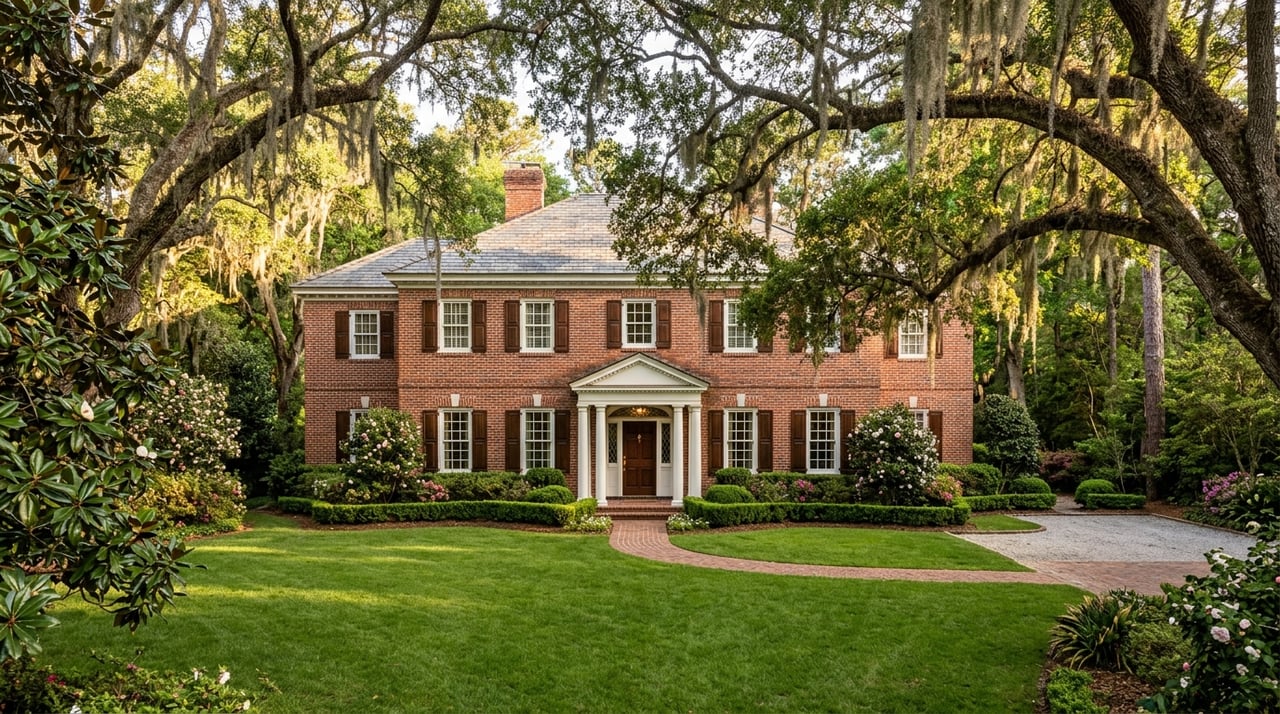
For many buyers, this comparison is less about charm and more about how you want to live inside that charm. Ardsley Park-Chatham Crescent is a planned early-20th-century residential district of roughly 400 acres with nearly 1,200 houses, known for its shaded streets, medians, and small parks, according to the National Register nomination.
Historic Savannah is the more urban benchmark. CAT describes downtown Savannah as the nation’s largest urban historic landmark district, with 22 green squares and more than 1,600 historically and architecturally significant structures across 2.5 square miles.
If you are narrowing the choice for a household move, the biggest difference is simple. Ardsley tends to feel more residential and garden-like, while the Historic District offers a denser, more mixed-use downtown setting.
One of the clearest differences is land. According to Homes.com’s Ardsley Park-Chatham Crescent neighborhood guide, the median lot size in Ardsley is 6,098 square feet, compared with 2,178 square feet in Historic Savannah.
That means Ardsley’s typical lot is about 3,920 square feet larger, or roughly 180% larger. For you, that can translate into more yard space, more breathing room between homes, and more flexibility for outdoor storage, entertaining, or everyday routines.
What is especially interesting is that interior size is not dramatically different. Homes.com reports average single-family home sizes of 2,306 square feet in Ardsley and 2,280 square feet in Historic Savannah, so the tradeoff is usually not interior living area. It is more often yard, parking, and density.
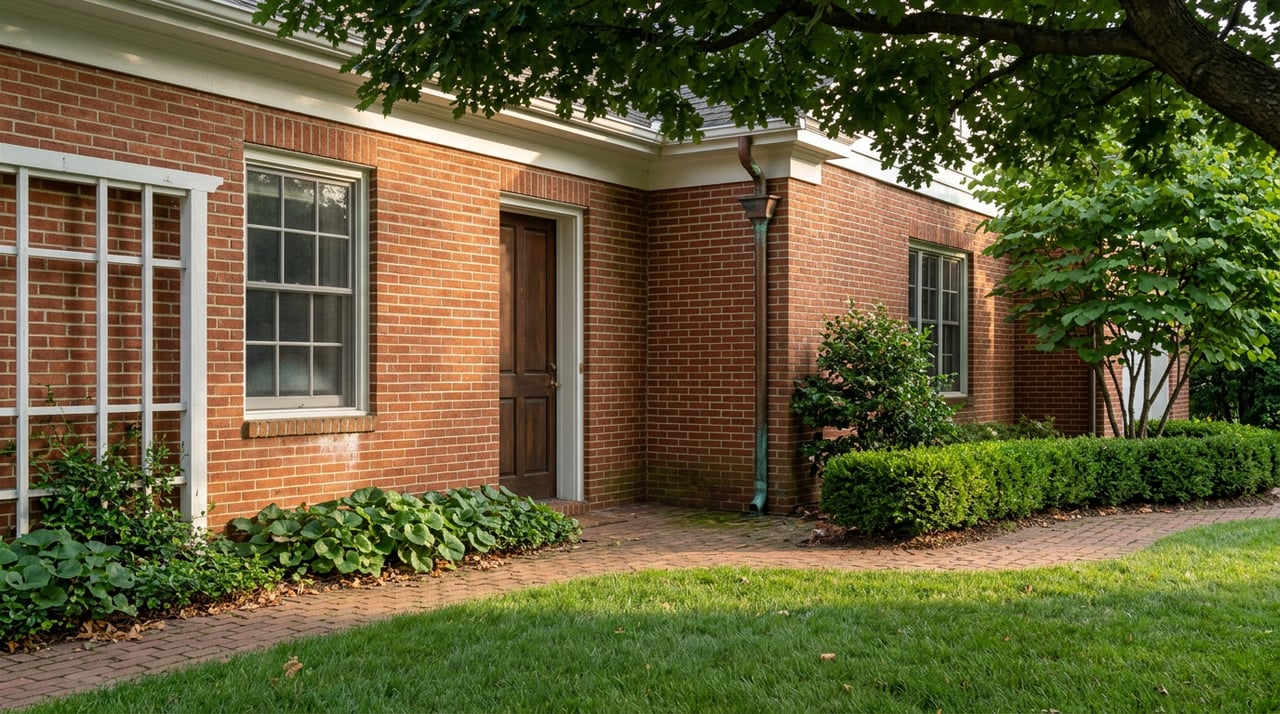
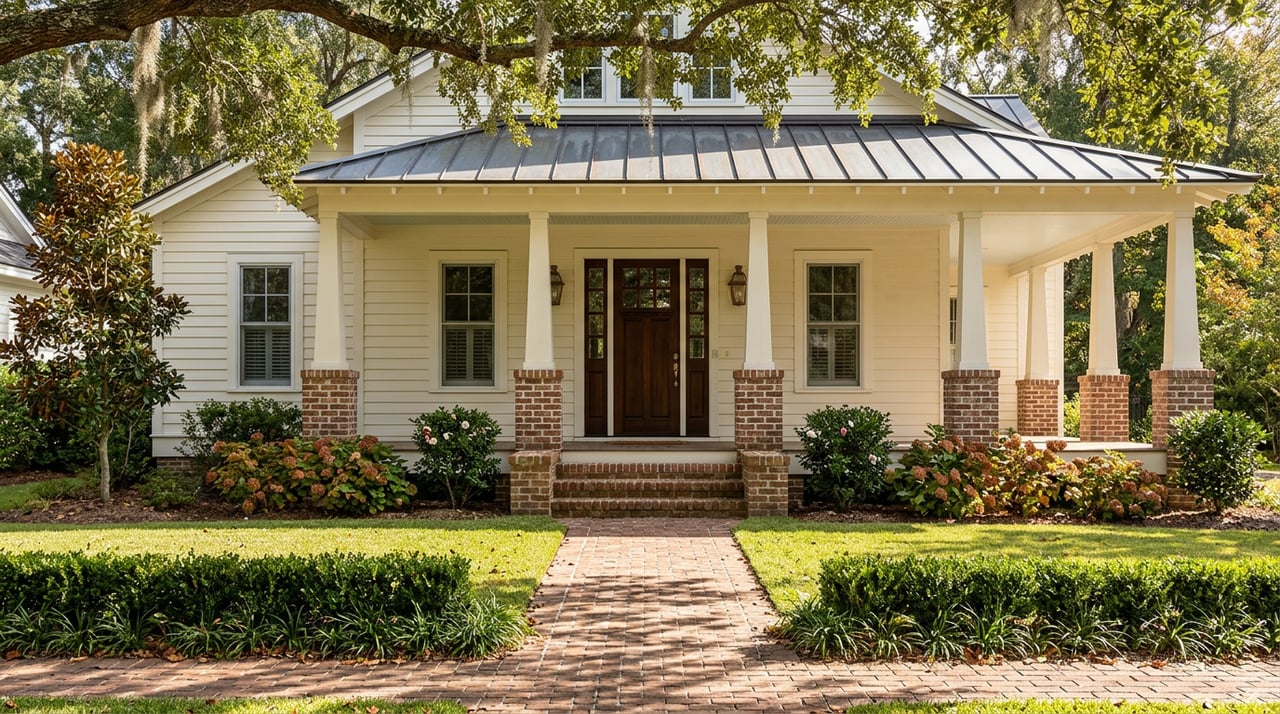
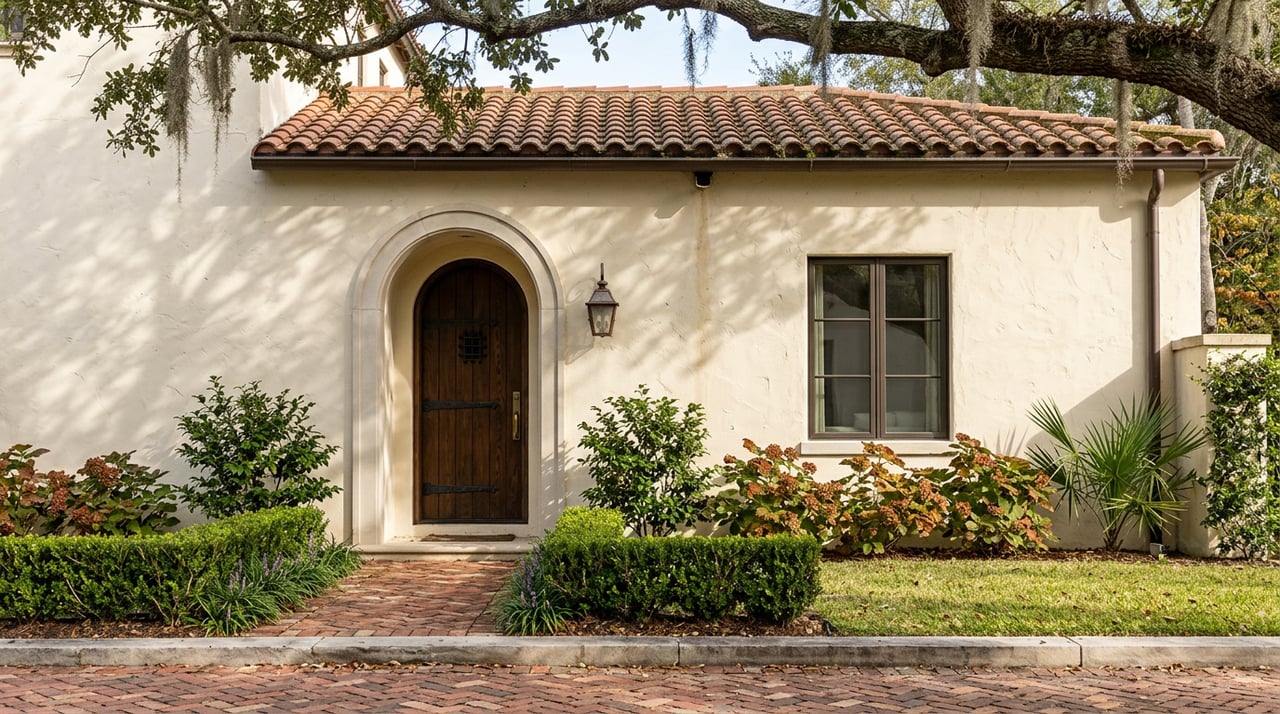
Ardsley Park-Chatham Crescent and the Historic District both attract buyers who value architecture, but the housing styles tell different stories. The National Register nomination notes that Ardsley leans toward Neoclassical, Colonial Revival, Georgian, Dutch Colonial, Tudor Revival, Craftsman, and bungalow forms.
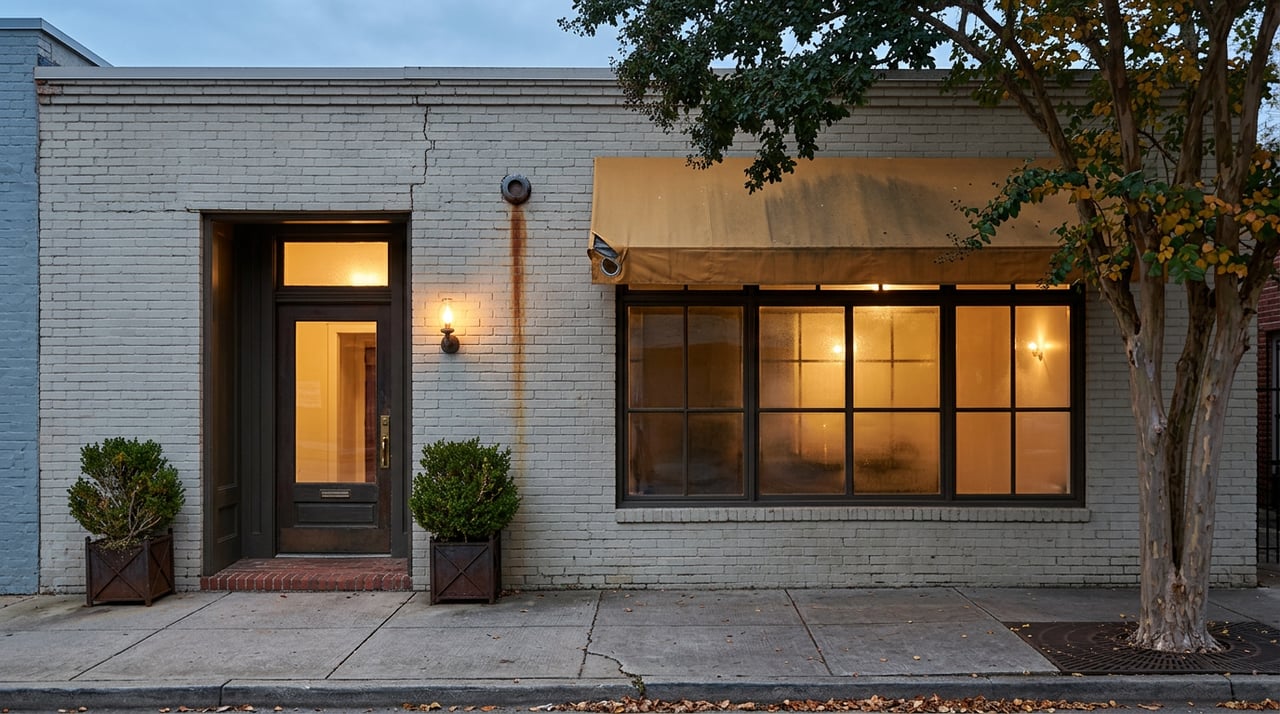
Historic Savannah presents an older urban fabric, with brick rowhouses, Italianate townhomes, Greek Revival, Federal, and Victorian-era architecture more commonly shaping the streetscape. If you are drawn to detached homes with a more traditionally residential setting, Ardsley often aligns more naturally. If you want architecture woven tightly into a walkable downtown grid, the Historic District may feel like a stronger fit.
Budget matters, but so does what your budget buys. In Ardsley Park-Chatham Crescent, Homes.com reports a median sale price of $666,500, a median list price of $799,500, and an average price per square foot of $327.
In Historic Savannah, Homes.com reports a median sale price of $857,950, a median list price of $984,000, and an average price per square foot of $602. That puts Historic Savannah’s price per square foot about 84% higher, even though average single-family home size is nearly the same.
This is why the comparison should focus on value, not just price. In many cases, you are paying more downtown for location, walkability, and historic urban context, while Ardsley may offer more land and more practical day-to-day functionality for the price.
For many households, parking becomes the deciding factor faster than expected. Ardsley listings commonly feature details that support easier daily logistics, including fenced backyards, detached garages, carriage houses, and off-street parking, as highlighted on the Ardsley neighborhood page.
Downtown Savannah works differently. The City of Savannah parking meter page states that downtown meters are enforced Monday through Saturday north of Liberty Street and Monday through Friday south of Liberty Street, and residents in metered zones can apply for on-street decals, with a second residential decal costing $200 per year.
The same city parking information, along with the broader downtown framework described in the research, shows that curbside parking in the historic core is heavily regulated. If you expect to drive often, host guests regularly, or want easier off-street parking options, Ardsley usually offers a more convenient setup.
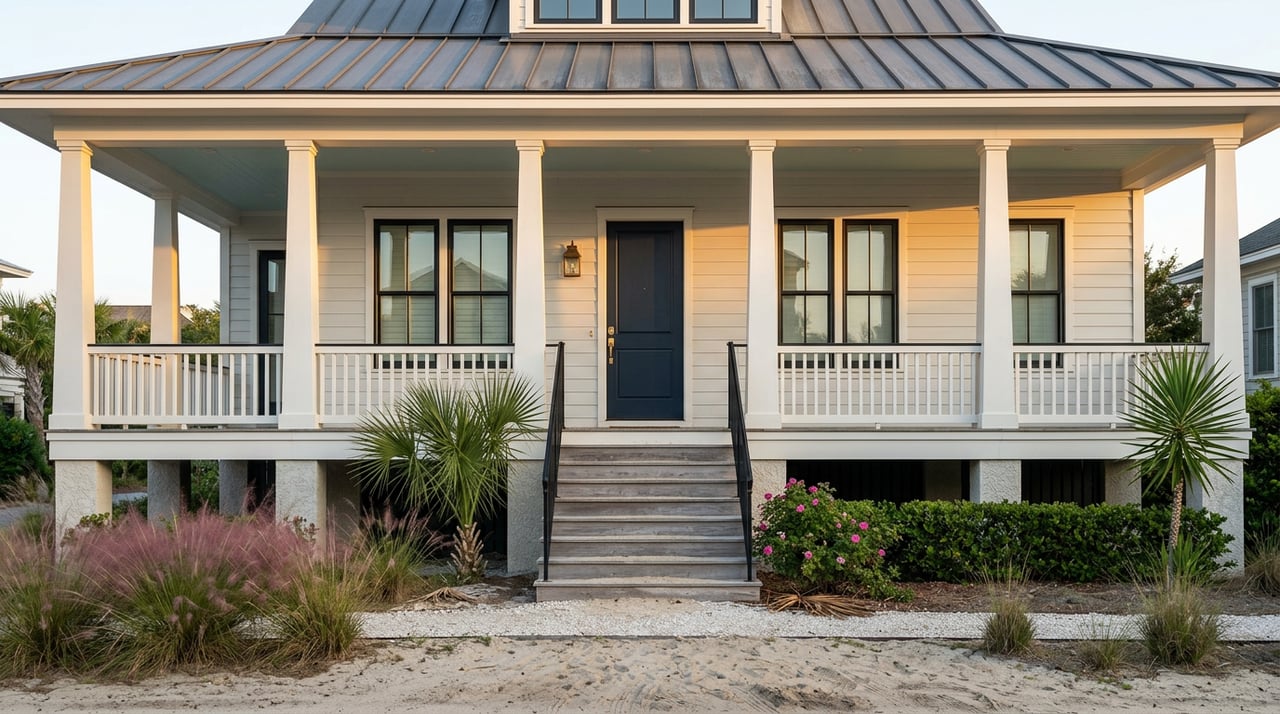
Both areas are walkable, but they are walkable in different ways. Historic Savannah is built for a more car-light lifestyle, with dense blocks, squares, civic spaces, and access to the free DOT shuttle network referenced by the city and CAT resources.
Ardsley is walkable on a neighborhood scale. Homes.com notes that the area includes sidewalks and some bike lanes on major streets, but it generally suits households that still expect to use a car more often.
So the better question is not whether one area is walkable. It is whether you want daily walkability to downtown amenities or a more residential pattern with easier driving and parking.
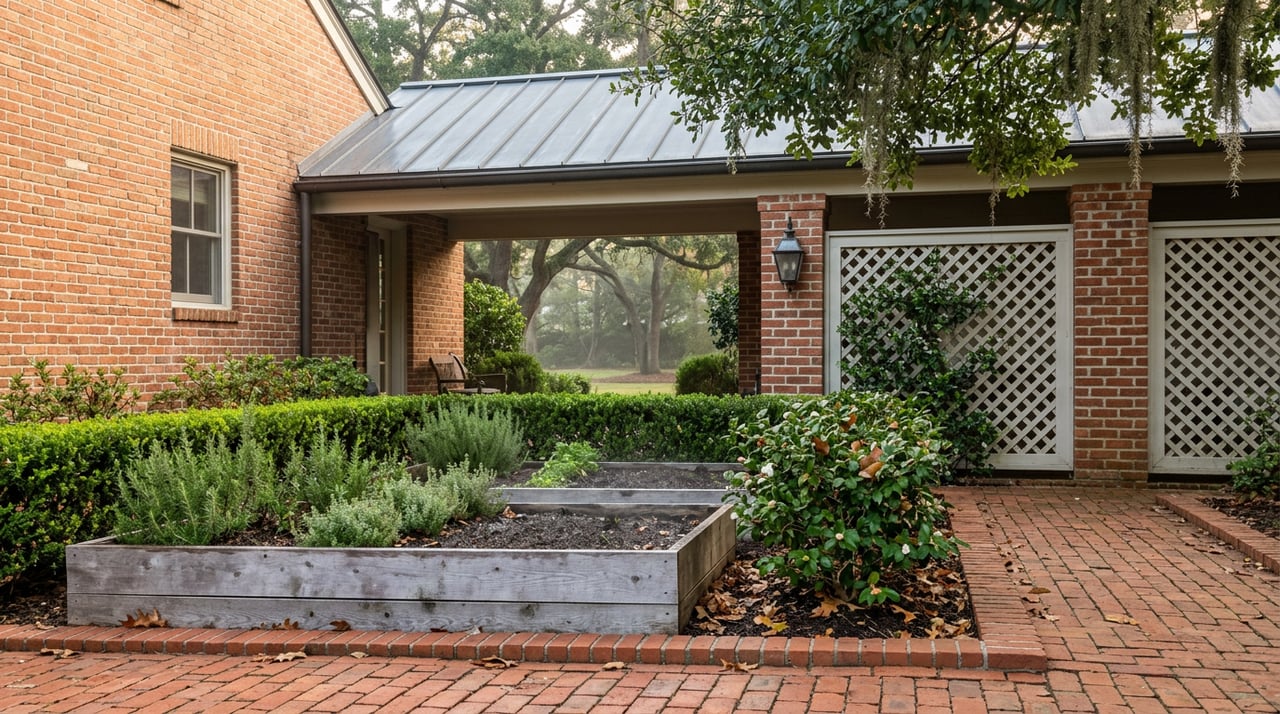
If outdoor space matters to your routine, both neighborhoods offer access to green space, but the experience differs. Ardsley’s identity is tied to its landscaped streets, medians, and small parks, which helps create its quieter residential feel.
It is also close to larger park amenities. The City of Savannah lists Daffin Park at 77 acres with playgrounds, athletic fields, tennis courts, a swimming pool, walking trail, and picnic areas, while Forsyth Park offers 30 acres of green space and active recreational uses.
Historic Savannah, by contrast, is shaped by a network of downtown squares and civic greens, along with Forsyth Park. If you want park access woven into a more urban street pattern, the Historic District stands out. If you want more private outdoor space at home plus nearby parks, Ardsley is often the stronger match.
If schools are part of your move, it is important to keep the process factual and property-specific. The Savannah-Chatham County Public School System states that attendance zones are established by the school board and families should use the district’s registration and Schools by Address tools to verify the assigned school for a specific property.
Neighborhood guides may list nearby options, but proximity is not the same as assignment. Ardsley’s neighborhood guide references nearby options such as Savannah Arts Academy, Blessed Sacrament Catholic School, and Charles Ellis Montessori Academy, while Historic Savannah’s guide lists nearby options including Savannah Arts Academy, Hubert Middle School, and Spencer Elementary School.
If this is a key decision point for your household, the smartest next step is to confirm the school assignment for any address you are seriously considering before making a purchase decision.
Ardsley Park-Chatham Crescent is often the better fit if you want historic character with a more residential rhythm. Larger lots, more common off-street parking, and a garden-style setting can make everyday routines feel easier, especially if your household expects to drive regularly or wants more outdoor space.
Historic Savannah is often the better fit if your priority is immediate access to downtown life. You may trade yard size and parking convenience for a denser, highly walkable environment shaped by squares, shops, historic streets, and transit-friendly mobility.
The right choice depends less on square footage inside the house and more on how you want your day to flow once you live there.
If you are weighing Ardsley Park against the Historic District and want a polished, property-specific strategy, Liza DiMarco can help you compare the details that matter most, from historic housing stock to lifestyle fit, parking realities, and long-term value.

Navigate the intricacies of real estate negotiations with confidence. Liza's unparalleled negotiation skills have consistently delivered optimal outcomes for her clients. Trust in her ability to secure the best deals, whether you're buying or selling.