Pricing Marshfront Homes On Isle Of Hope Strategically
March 24, 2026
March 24, 2026
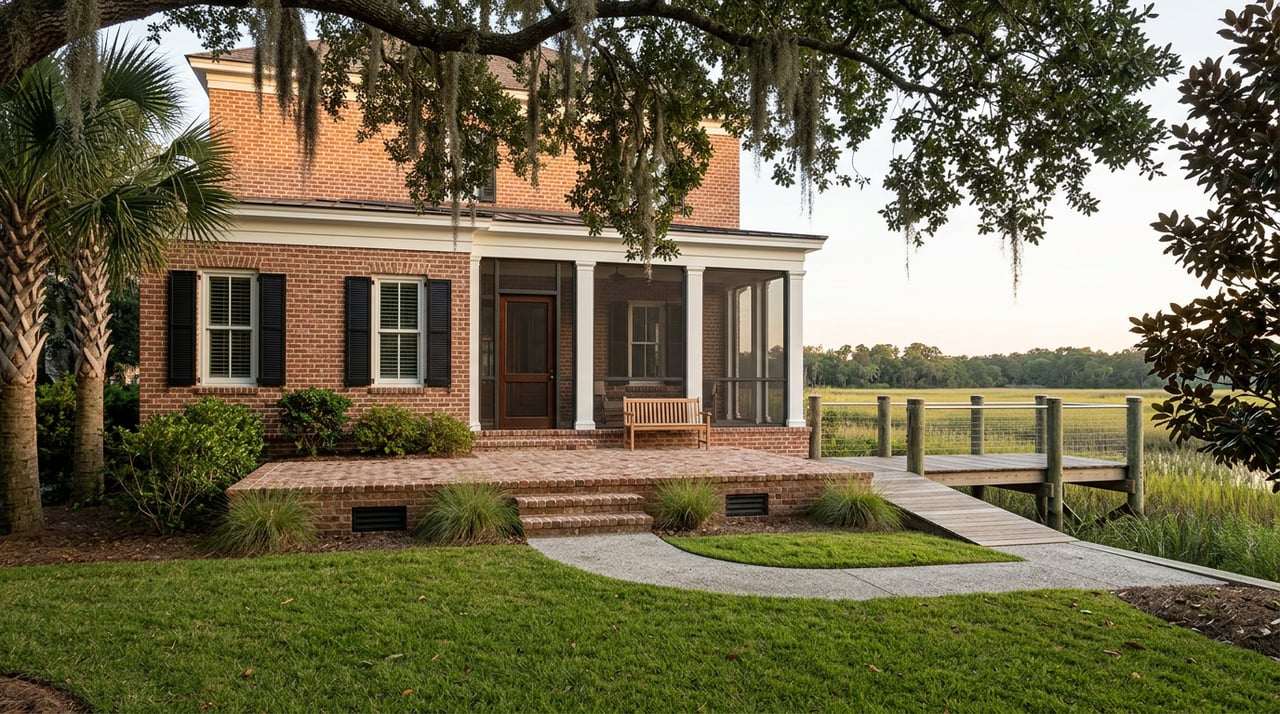
Pricing a marshfront home on Isle of Hope is not like pricing a typical suburban listing. One mismatched comp or missing permit can swing your outcome by six figures and weeks on market. If you want top dollar, you need a coastal-specific plan that accounts for water access, elevation, shoreline condition, and insurance. Below, you’ll learn how to read the market, pick the right comps, and present your property so the right buyers say yes. Let’s dive in.
As of early 2026, Isle of Hope homes commonly trade in the upper $500k to $800k band, with premium outliers above that range. Public portals show mixed signals: Zillow reports an average value near $600k, Redfin’s median sale price trends in the mid $600k range depending on month, and NeighborhoodScout places Isle of Hope above the state median price tier. These are useful context points, but the local MLS is your definitive source when you price. For marshfront properties, use 12 to 24 months of closed sales and a 90 to 120 day window of active listings to set expectations and support your number.
Not all marshfront lots are the same. Deepwater or navigable access with a usable dock typically commands the highest premium, while view-only marsh lots appeal to a different buyer pool. When selecting comps, do not compare a deepwater property with a permitted dock to a marsh-view-only sale. Identify your exact waterfront type first, then pull matches.
In Georgia, docks and shoreline structures fall under the Coastal Marshlands Protection Act and related programs. Many private docks require a state Revocable License in addition to Marsh & Shore permits administered by the Georgia DNR Coastal Resources Division. When you can show a permitted dock and a valid Revocable License, you remove a major buyer uncertainty and protect your price. You can review permitting frameworks on the Georgia DNR Coastal Resources Division’s Marsh & Shore page at the Coastal Resources Division site.
Flood-zone designation, finished-floor height relative to Base Flood Elevation, and whether you have an Elevation Certificate all affect insurance and buyer confidence. Lenders typically require flood insurance for properties mapped in Special Flood Hazard Areas (zones beginning with A or V). Confirm your property’s zone and BFE at FEMA’s Flood Map Service Center, and gather your Elevation Certificate or explore a LOMA if applicable. Clear documentation helps buyers see the path to a manageable premium.
Seawalls, bulkheads, and living shorelines matter to both buyers and insurers. If there are signs of lean, scour, or failure, expect negotiation pressure or lender scrutiny. Because repair and replacement costs vary by material, access, and permitting, it pays to obtain an inspection and written estimate before listing. Cost guides show wide ranges per linear foot for residential seawall work, which is why a current report is a smart pre-list step. You can review typical ranges in residential cost guides like this seawall overview.
Buyers pay for move-in condition and resilience. Elevated mechanicals, impact-rated glazing, flood-damage-resistant finishes, and durable exterior cladding reduce perceived risk. Renovation level is a multiplier on value, not a substitute for fundamentals. A beautifully finished home with uncertain dock status or poor shoreline condition will still be discounted.
Pull 12 to 24 months of closed sales that match your waterfront type, dock status, shoreline footage, lot size, finished square footage, and elevation profile. For active competition, sample 90 to 120 days of current listings to see how buyers are filtering and pricing today. Do not mix deepwater-with-dock comps with view-only marsh comps.
Spring and early summer often see stronger coastal buyer activity, but on Isle of Hope, inventory constraints mean preparation and precision matter more than the month you list. Use recent local metrics like days on market and list-to-sale ratios to set a disciplined list period. If showings are light or feedback targets the same issue, adjust quickly rather than chasing stale days on market.
Before you lock in a price, tighten the documentation buyers and appraisers will test:
NOAA’s long-term tide gauge at Fort Pulaski shows a positive relative sea-level trend, translating to more frequent extreme high tides over decades. You can view the station’s trend summary at NOAA’s Fort Pulaski sea-level page. Practically, this is why elevation, shoreline integrity, and resilient materials earn a premium with today’s buyers and lenders, and why your documentation matters at pricing time.
With the right evidence and positioning, you can price to the highest-probability buyer and keep leverage through negotiations. If you want a data-true price opinion and a marketing plan that highlights the right details, connect with Liza DiMarco for a tailored strategy.

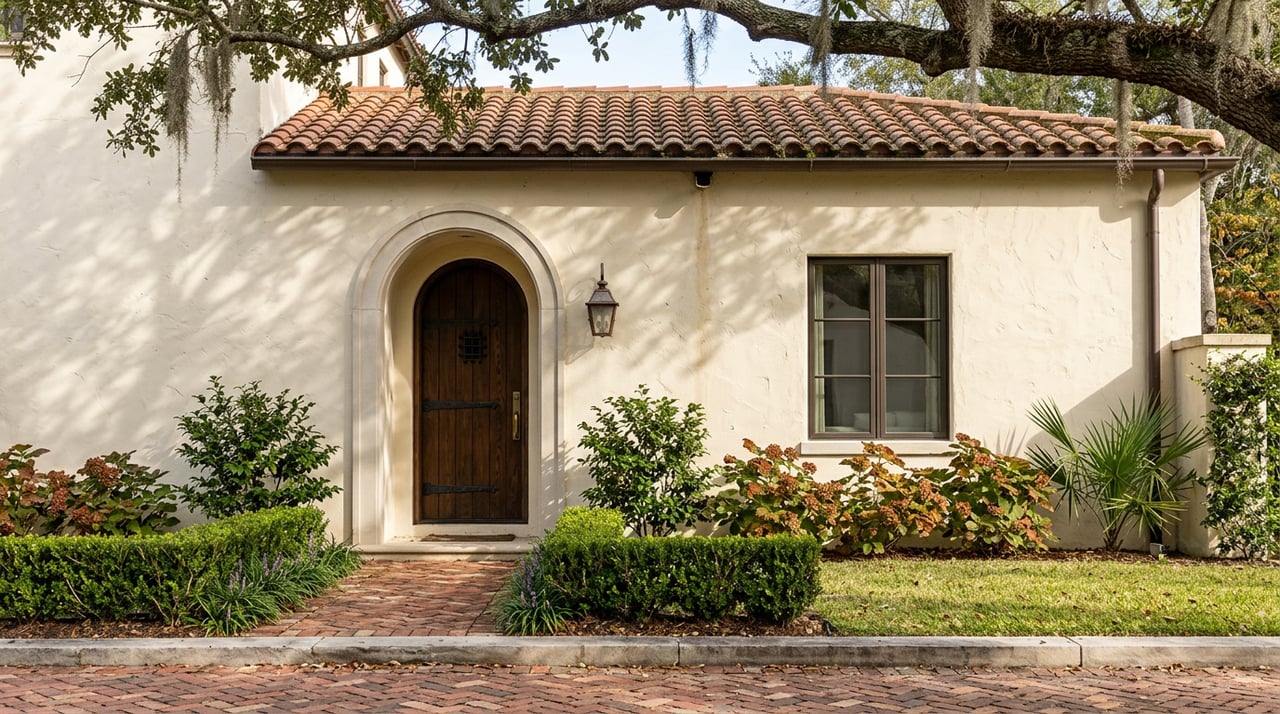

Local Guides, Lifestyle
The best dog parks, dog-friendly restaurants, and the only real dog beach near Savannah's Historic District

Luxury Real Estate
Why this market rewards deep local knowledge over general real estate experience — and what that actually looks like in practice
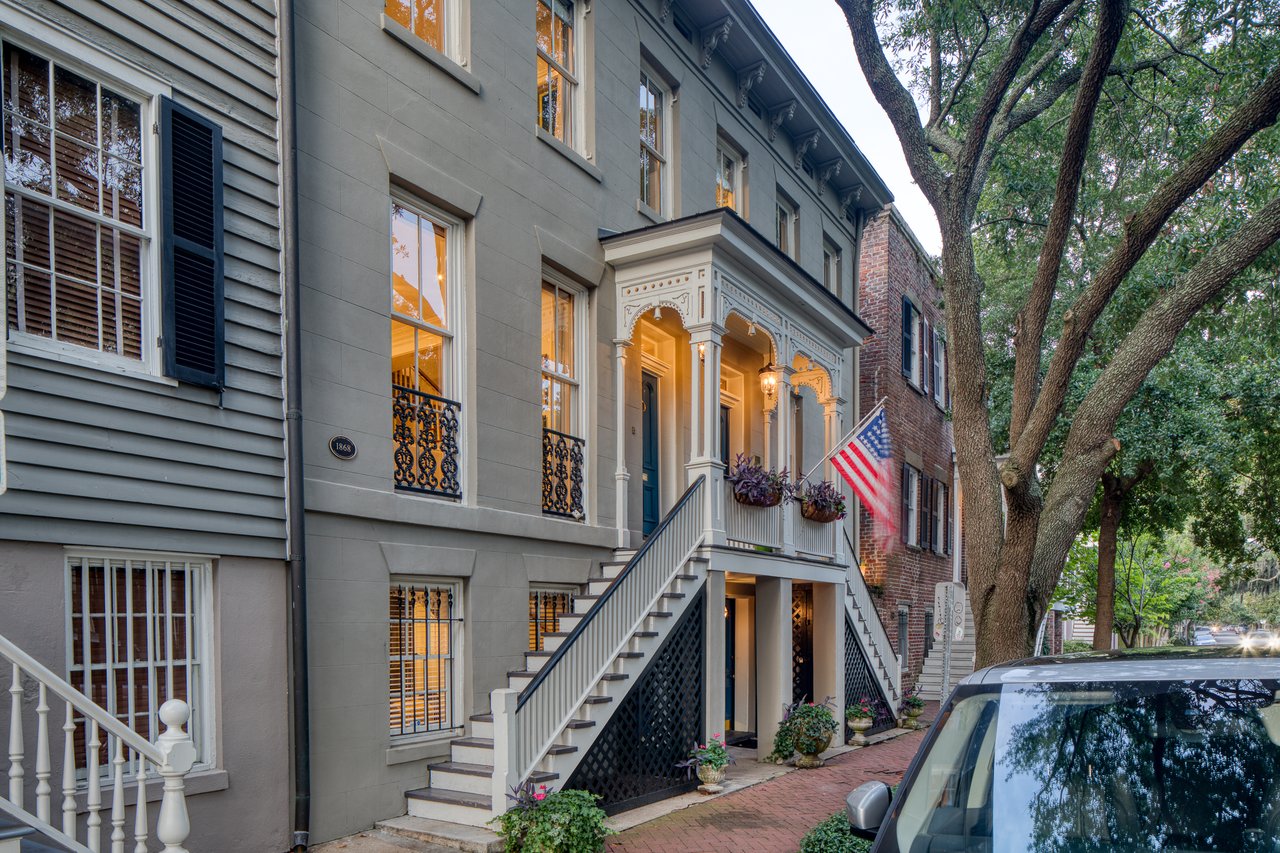
Buyer Resources, Investment Real Estate
What investors actually need to know before buying a Savannah property to rent short-term
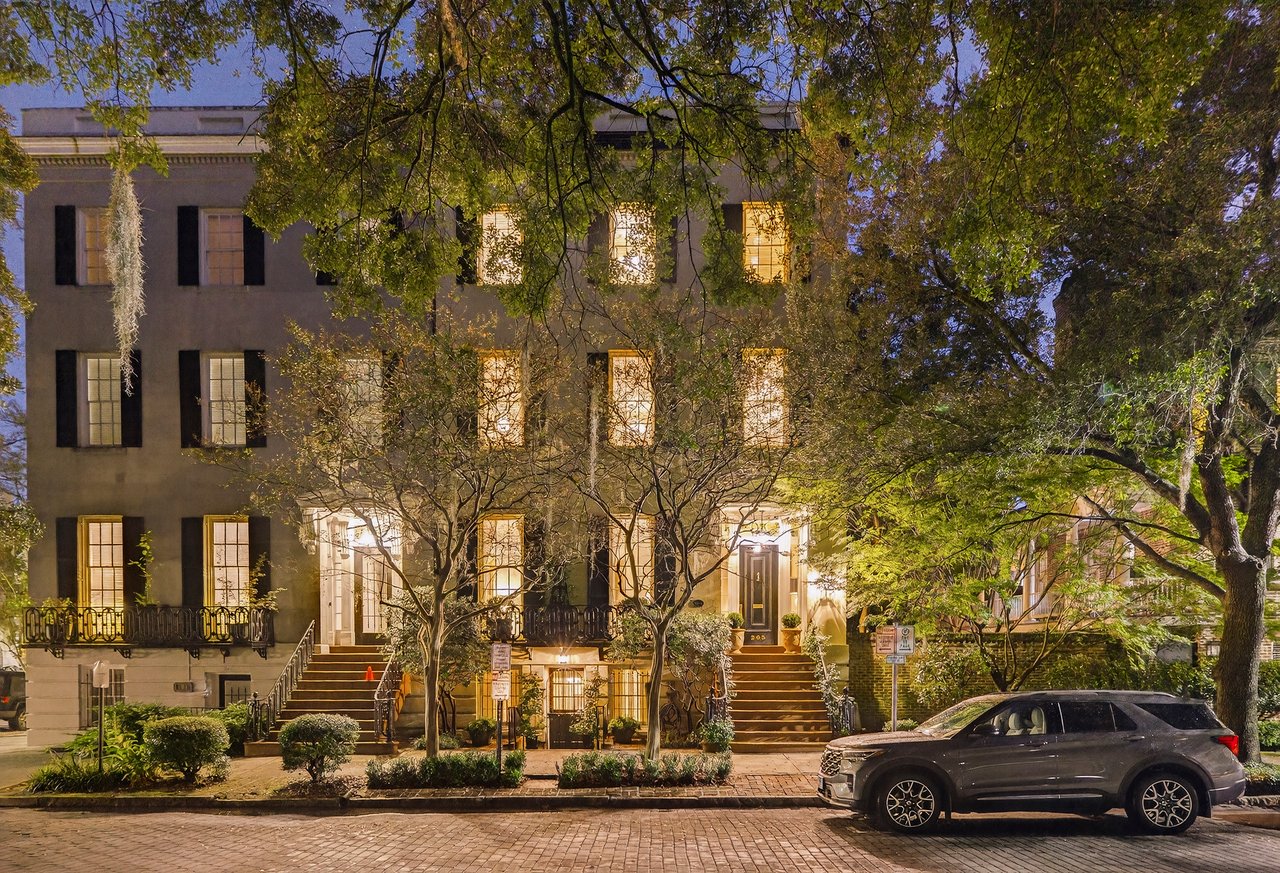
Relocating to Savannah
Best $1M+ Savannah neighborhoods near the Historic District for NYC, Boston, Chicago, and DC buyers relocating south — Ardsley Park, Isle of Hope, and more.
Navigate the intricacies of real estate negotiations with confidence. Liza's unparalleled negotiation skills have consistently delivered optimal outcomes for her clients. Trust in her ability to secure the best deals, whether you're buying or selling.