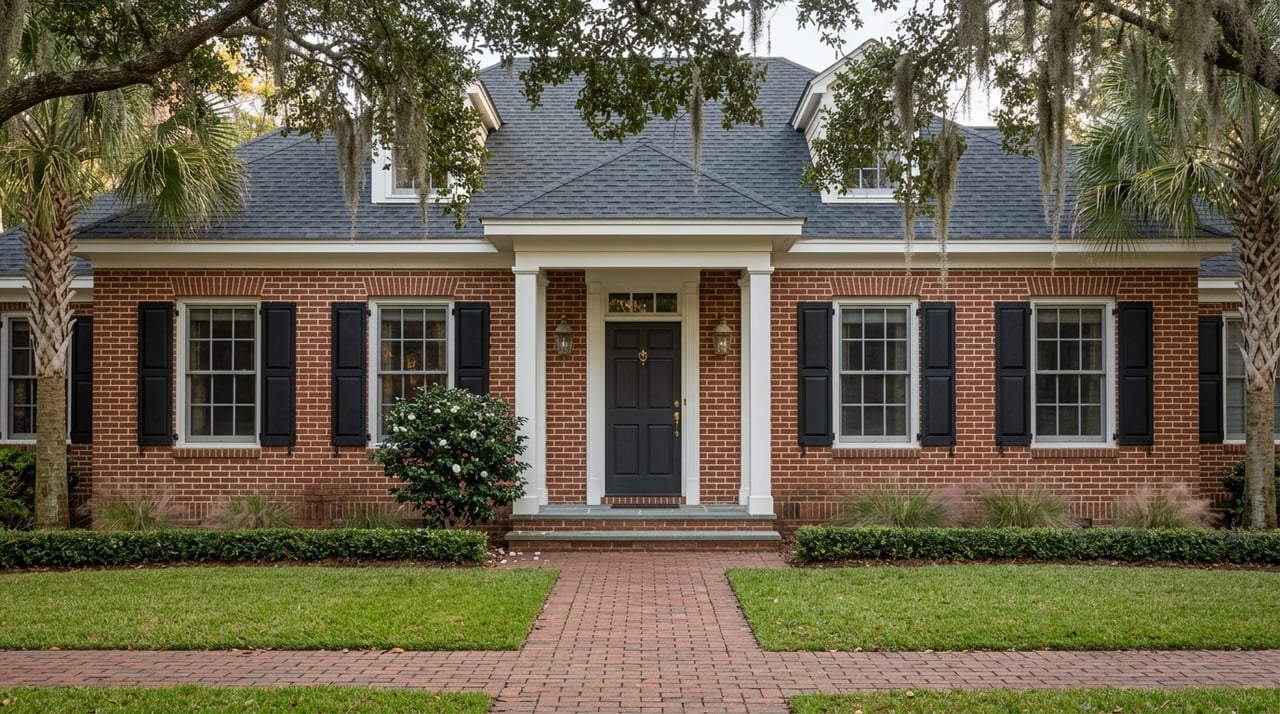
Everyday Coastal Quiet Near Oatland Island
June 4, 2026
June 4, 2026
Looking for a quieter side of Savannah’s coastal corridor? Near Oatland Island, the pace shifts in a way that feels refreshingly easy. If you are drawn to marsh views, wooded trails, and a setting that stays close to both downtown Savannah and Tybee, this pocket of the eastside offers a lifestyle worth noticing. Let’s take a closer look.
Oatland Island Wildlife Center sits at 711 Sandtown Road in Savannah on more than 100 acres of maritime forest. Founded in 1974, the center is home to about 100 animals across roughly 40 species, with a mission focused on helping guests connect more deeply with the natural world. That purpose helps shape the tone of the area around it.
What stands out most is not just the location, but the experience. This is a place defined by walking trails, marsh edges, and wooded surroundings rather than heavy commercial activity. The result is a quieter coastal feel that many people want when they picture life near the water.
One of the biggest appeals of the Oatland area is that it feels tucked away without feeling cut off. Official directions place it along Savannah’s east-side route toward Tybee, and Tybee Island is about 20 minutes east of Savannah’s Historic District. That gives this area a useful middle-ground feel between city access and beach access.
It is important to think of that “midpoint” feeling as a lifestyle description, not a strict geographic label. In daily life, though, the balance is real. You can stay connected to downtown amenities while still enjoying a setting that reads as open, green, and calm.
At Oatland, quiet is active rather than empty. The wildlife center features a 2-mile nature trail loop with five main exhibit areas, and a full visit usually takes about two hours. That tells you a lot about the rhythm of the place.
Instead of traffic, storefronts, and packed sidewalks, the setting leans into trail walking, wildlife habitat, and long views through maritime forest and salt marsh. Visit Savannah describes Oatland as a peaceful coastal sanctuary, and that description fits the experience well. For many buyers, that kind of calm is exactly the point.
The broader ecology of coastal Georgia helps explain why this area feels the way it does. Georgia’s coastal marshlands are described by the Georgia Department of Natural Resources as a vital natural resource system that supports wildlife, fisheries, and flood buffering. That marsh-based environment creates the open, low-profile scenery many people associate with the Lowcountry.
The coast here is also shaped by tides and expansive marshland. Nearby Fort Pulaski sits mostly in tidal marshes and mud flats, which reinforces how much the natural landscape defines this part of Chatham County. In practical terms, living near this corridor often means your sense of place comes from water, grass, trees, and sky.
If you enjoy spending time outside, Oatland is only one piece of the picture. The surrounding coastal corridor gives you access to several nature-focused destinations that support a slower, more outdoors-oriented routine. That matters if you want variety without giving up the area’s quieter character.
Nearby options include:
Together, these places show that quiet does not mean limited. It simply means recreation here tends to center on habitat, shoreline access, walking, and observation rather than dense entertainment zones.
For some buyers, coastal living is not about being in the middle of constant activity. It is about waking up near marshland, keeping the beach within reach, and having outdoor access woven into the week. The Oatland area speaks to that preference in a very grounded way.
This can be especially appealing if you are relocating from a busier market and want a calmer daily backdrop. It can also resonate if you are looking for a second-home setting with a more understated feel. In both cases, the lifestyle value comes from the environment itself.
A quiet setting does not mean you have to give up basic access. Oatland is served nearby by CAT Route 10, and the wildlife center is listed among the locations along that route. Most people will still drive, but it is useful to know the area is not completely car-dependent.
That accessibility matters because the broader eastside corridor connects several major destinations. You are part of a route that links Savannah and Tybee, which helps keep the area practical for everyday outings, workdays, and weekend plans.
Any honest conversation about coastal living should include the tradeoffs. Tybee notes that spring and summer bring heavier traffic, added controls on peak weekends, and limited parking during busier periods. So while the Oatland area can feel calm and tucked away, the wider corridor does not stay equally quiet all year.
There are also everyday outdoor realities to keep in mind. Oatland’s visitor guidance recommends bug spray, which is a simple but telling detail about the marshy, wooded setting. Weather, insects, and seasonal traffic are part of the real coastal experience here.
Buyers are often searching for a lifestyle that feels distinct, not just a pin on a map. Near Oatland Island, that distinction comes from a rare combination of natural setting, coastal character, and practical proximity to both Savannah and Tybee. It offers a softer, more landscape-driven version of coastal living.
For buyers who value atmosphere, this area can stand out in a lasting way. You are not choosing constant buzz. You are choosing a place where the scenery does more of the work.
If you are considering a move in Savannah’s coastal market, the right guidance can help you compare lifestyle, access, and long-term fit with much more clarity. For tailored insight on island, waterfront, and coastal Savannah real estate, connect with Liza DiMarco.

Navigate the intricacies of real estate negotiations with confidence. Liza's unparalleled negotiation skills have consistently delivered optimal outcomes for her clients. Trust in her ability to secure the best deals, whether you're buying or selling.