Wilmington Island Waterfront Living: A Buyer’s Guide
June 25, 2026
June 25, 2026
If water access is on your wish list, Wilmington Island can feel like a dream fit. But here, “waterfront” does not always mean the same thing from one property to the next. If you want to buy wisely, it helps to understand how docks, tides, marsh rules, ramps, and marinas shape daily life before you fall in love with the view. Let’s dive in.
On Wilmington Island, water access usually falls into a few different categories. Some homes offer a private dock or direct boating setup, while others are marsh-front with wide views but less direct launch access. You can also find homes that rely on nearby marinas or public ramps instead of on-site boating infrastructure.
That distinction matters because your ideal setup depends on how you actually plan to use the water. If you picture stepping onto your boat from your backyard, your needs will be different from someone who mainly wants marsh views, kayaking, or easy access to a marina. On Wilmington Island, the lifestyle is highly appealing, but the details matter.
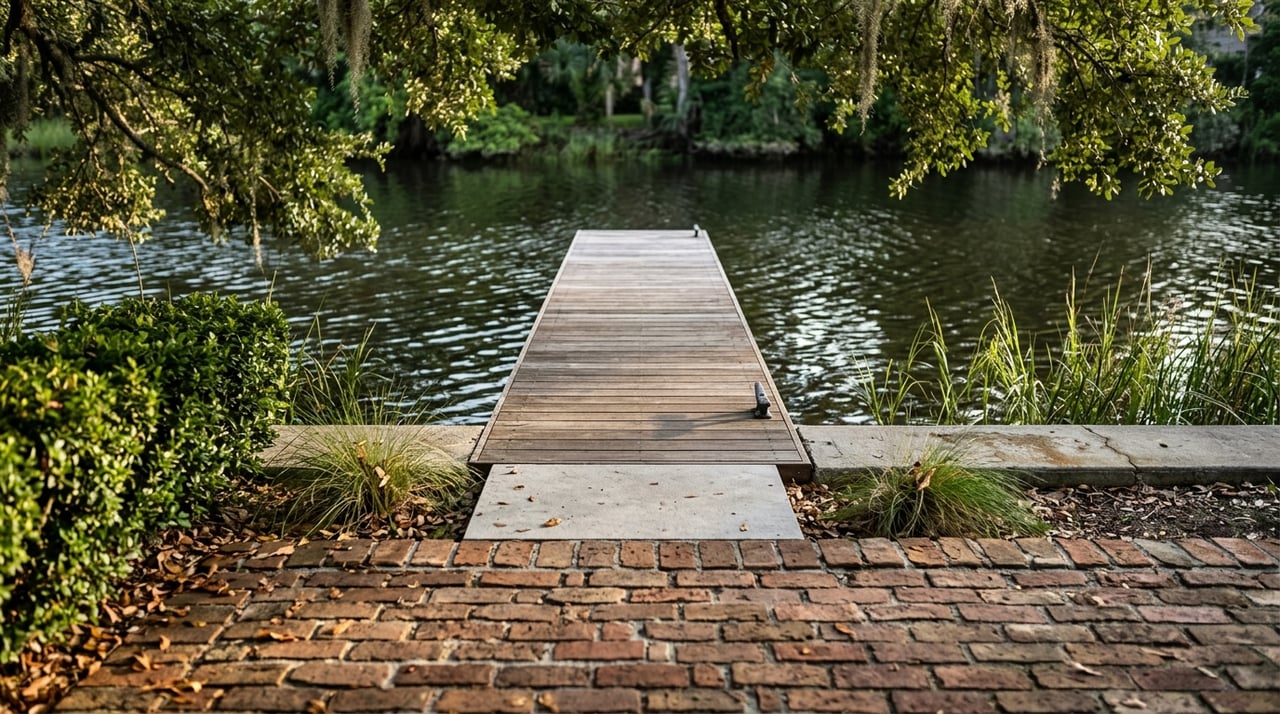
A home with a private dock often represents the most direct path to a boating lifestyle. On Wilmington Island, that can mean access along tidal creeks or river edges, with day-to-day convenience that appeals to boat owners and second-home buyers alike.
Still, a dock is only as useful as its real-world conditions. Before you buy, you will want to understand water depth, tide range, and whether the dock is permitted and serviceable. A dock that looks ideal at high tide may function very differently at low tide.
Georgia DNR notes that marinas, community docks, dredging, bank stabilization, dock modifications, and related work may require a Coastal Marshlands Protection Act permit or a jurisdictional determination. In practical terms, you should never assume you can expand, rebuild, dredge, or alter a shoreline feature without review.
When you tour a dock property, keep your focus on function, not just appearance. A few practical questions can help you avoid surprises later.
Many buyers are drawn to Wilmington Island for its broad marsh vistas and quieter coastal setting. A marsh-front home can deliver a beautiful sense of openness, wildlife viewing, and a strong connection to the landscape.
That said, marsh-front does not automatically mean dock-friendly. Georgia protects public-trust tidal wetlands, and DNR reviews projects that may affect marshlands, beaches, and tidally influenced coastal waters. If you are considering a marsh-front property, it is wise to treat any future dock or shoreline idea as a question to verify, not a feature to assume.
For many buyers, this is not a drawback at all. If your priority is scenery, privacy, or a peaceful outdoor setting, a marsh-front property may be exactly the right fit. The key is matching the property to your lifestyle rather than using the word “waterfront” as a shortcut.
Not every water-access buyer wants the upkeep and responsibility of a private dock. On Wilmington Island, that is a workable choice because the island benefits from strong marina services and nearby public launch options.
Bull River Marina is located on Wilmington Island along Highway 80 and is described as a full-service, 100-slip marina with deep-water access to the ocean and the Intracoastal Waterway via St. Augustine Creek. Wilmington Island Marina, at 36 Wilmington Island Road, lists more than 250 dry and wet slips, along with a fuel dock, pump-outs, boat rentals, and wet slips for larger boats. Thunderbolt Marina, just outside Savannah on the Wilmington River, serves vessels with drafts up to 15 feet.
For public launching, practical nearby options include Turners Creek, which Chatham County lists as having one boat ramp and a courtesy dock, with access via Johnny Mercer Drive. Georgia DNR also notes that Lazaretto Creek, on the south side of U.S. Highway 80, remains free and open to the public. Additional county ramps include Thunderbolt and Houlihan Park, and DNR’s coastal ramp directory also lists Tybee Creek, Kings Ferry, Skidaway Narrows, and other Chatham County locations.
Marina- or ramp-based living can be a smart fit if you want water access without tying your home search to dock infrastructure. It often works well for buyers who:
One of the biggest adjustments for buyers coming from inland markets is learning that coastal access runs on tide time. On the Georgia coast, tides are part of ordinary planning, not an occasional issue.
NOAA states that its online tide predictions are used for safe navigation and are available for U.S. coastal stations for up to two years. Georgia DNR adds that coastal creeks and rivers commonly see daily tides of 6 to 9 feet, which can create steep drop-offs at ramps and make low-tide launching more difficult.
That means even a strong water-access property may not offer all-day, all-condition use in the way some buyers first imagine. Instead, many owners plan around tide windows. Whether you are launching from a ramp, using a slip, or evaluating a private dock, tide awareness becomes part of the routine.
Understanding local tides can help you choose the right property and access style. They often affect:
With water-access property, due diligence should go beyond the usual home inspection. Flood review, dock review, shoreline questions, and access habits all deserve attention before you move forward.
Chatham County’s flood guidance says buyers should determine the flood zone and base flood elevation. The county also notes that homeowners insurance does not cover rising flood waters, and that properties in high-risk AE and VE zones with a federally backed mortgage must carry flood insurance.
That makes flood-zone review an important early step, especially if you are comparing several homes with similar appeal. The right home for you may not be the one with the most dramatic setting, but the one with the clearest fit for your costs, use patterns, and comfort level.
Georgia DNR also says its Marsh and Shore permitting program reviews and processes applications for docks, shoreline stabilization, marinas, and other structures in or near coastal marshlands. The agency instructs applicants to contact the office for a jurisdictional determination before starting work. For buyers, that makes surveys, inspections, and professional review especially important when future dock work, bulkhead repairs, or shoreline changes are part of your plan.
If you are shopping for water-access living on Wilmington Island, a few focused checks can help you compare homes more clearly.
The best Wilmington Island property is not always the one with the most obvious “waterfront” label. It is the one that fits how you want to spend your time, whether that means keeping a boat nearby, launching on weekends, paddling through marsh creeks, or simply enjoying the setting.
For some buyers, a private dock will be worth the added complexity. For others, a marsh-front home plus reliable marina access offers a more practical and flexible version of coastal living. Wilmington Island gives you several ways to enjoy the water, but the smartest purchase starts with clear expectations.
If you are exploring Wilmington Island or comparing waterfront options around Savannah’s coastal neighborhoods, Liza DiMarco offers polished, high-touch guidance tailored to the nuances of island and waterfront living.

Navigate the intricacies of real estate negotiations with confidence. Liza's unparalleled negotiation skills have consistently delivered optimal outcomes for her clients. Trust in her ability to secure the best deals, whether you're buying or selling.