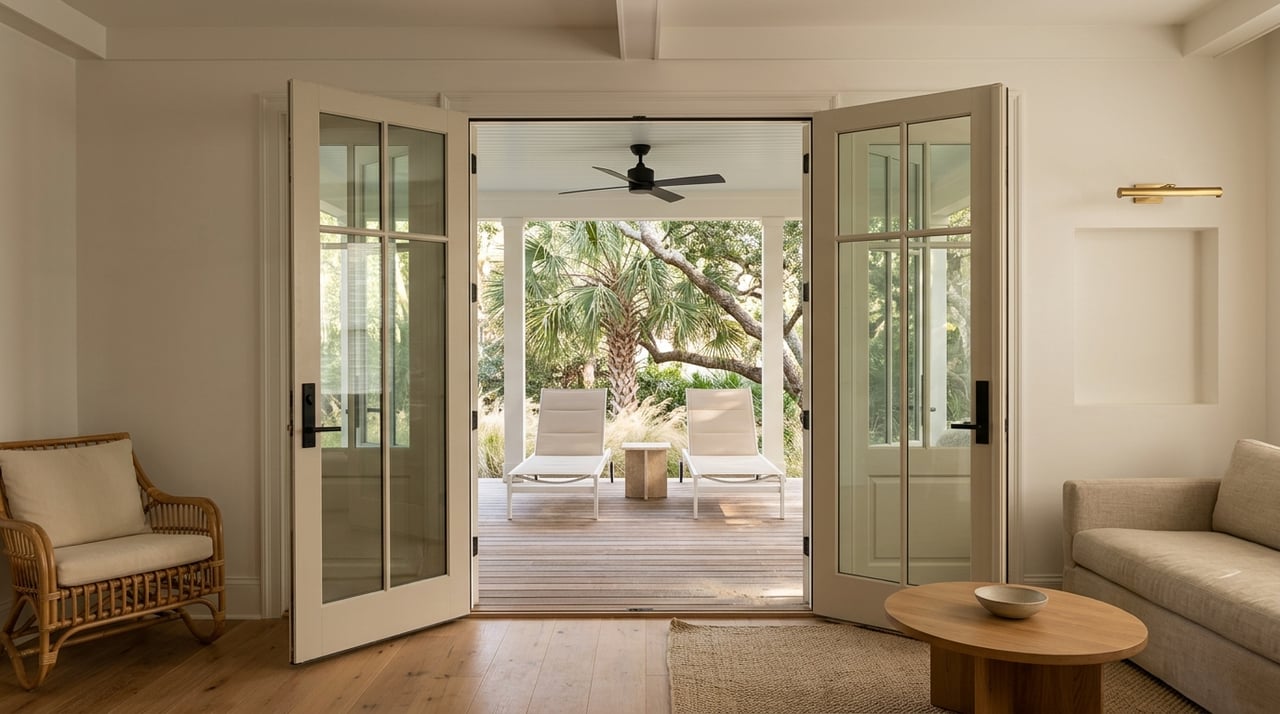
Marketing Tybee Island Beach Homes To Remote Buyers
June 18, 2026
June 18, 2026
If a Tybee Island buyer is searching from hundreds of miles away, your home has to do more than look attractive. It has to answer questions, build confidence, and help someone understand the property without stepping through the front door. For sellers, that means your marketing needs to capture not just the house, but the way life feels on this small barrier island. Let’s dive in.
Tybee Island is Georgia’s northernmost barrier island, about 3.3 square miles in size, with just over 3,000 residents and access by U.S. Highway 80. Its compact footprint and destination appeal make it a market where many buyers begin their search from outside the immediate area. That creates a real opportunity for sellers who present their homes clearly and completely online.
National buyer data supports that shift. In the 2024 Profile of Home Buyers and Sellers, 43% of buyers said they first looked online for properties. Buyers also reported that the most useful online features included photos, detailed property information, floor plans, virtual tours, neighborhood information, videos, and interactive maps.
For a Tybee seller, that means digital presentation is not a side detail. It is often the first showing, the first impression, and the first filter a buyer uses to decide whether your home is worth a trip.
On Tybee Island, buyers are not only comparing square footage and finishes. They are also comparing beach access, view lines, porch use, and how each part of the island supports the lifestyle they want. A listing that treats the home like a simple structure can miss what makes island property compelling.
The city’s planning documents describe Tybee as a visitor destination shaped by beaches, salt marsh, and distinct neighborhoods such as the Strand, Back River, and Fort Screven. Visitor materials also break the shoreline into North Beach, South Beach, Mid-Beach, Back River Beach, Savannah River Beach, and Little Tybee. Each area offers a different setting and rhythm, which is why micro-location storytelling matters.
That story should be specific and factual. A home near North Beach may appeal to buyers who want proximity to the lighthouse area, while a property near South Beach may connect with buyers drawn to the Pier & Pavilion area. Mid-Beach, Back River Beach, and other shoreline areas each carry their own practical identity, and remote buyers benefit when you explain that clearly.
Remote buyers want enough detail to imagine daily life, verify the layout, and understand how the property functions. The strongest marketing packages combine visual quality with practical information. That blend helps reduce uncertainty and keeps serious buyers engaged.
According to NAR buyer-preference data, the most useful features include:
For Tybee listings, video-first marketing is especially important because buyers often need help understanding light, circulation, and the indoor-outdoor connection from afar. A polished set of still photos is valuable, but photos alone may not fully communicate how a beach home lives.
A strong video should feel intentional, not random. Remote buyers need to understand how they arrive, how the house flows, and what the setting feels like in real time. That is especially true on an island where porches, views, access, and outdoor spaces can be a large part of value.
A practical filming sequence for a Tybee home often includes:
This sequence helps buyers understand more than finishes. It shows movement, proportion, and how indoor and outdoor spaces connect, which is often central to the appeal of a coastal home.
View marketing should be exact, not vague. If a property has water views, those views should be shown from both standing and seated eye level. Buyers also need to know what is visible from specific rooms and porches, whether that is ocean, river, marsh, or neighboring rooftops.
That level of detail matters because remote buyers are trying to picture everyday living, not just a best-angle photo. Clear labeling and honest narration can prevent confusion and build trust early.
Staging should support the way buyers expect a Tybee home to function. The goal is not to create a generic coastal look. The goal is to show an organized, usable, and inviting home.
That often means highlighting:
This kind of setup helps buyers see convenience as well as style. It also supports the polished, move-in-ready impression that tends to perform well with out-of-market and second-home buyers.
Not every Tybee property offers the same beach experience. That is why broad phrases like "close to the beach" are less useful than a clear explanation of where the home sits within the island’s geography.
A better approach is to explain what part of Tybee the home connects to and what that means in practical terms. North Beach is associated with the lighthouse area. South Beach is tied to the Pier & Pavilion area. Mid-Beach is often described as a stretch used by locals and families renting vacation homes, while Back River Beach is known for a quieter setting and activities such as fishing or kayaking. Little Tybee is boat-access only.
For remote buyers, this context helps turn a pin on a map into a clearer lifestyle picture. It also helps them compare homes more intelligently when they may only visit in person once, or not until they are deep into the decision process.
Tybee is a pay-to-park community, which makes parking and guest access important lifestyle details. For a remote buyer, these are not minor notes. They can shape how easy the home feels for full-time living, weekend use, or hosting friends and family.
Marketing should show and explain practical points such as parking configuration, likely entry patterns, and proximity to beach access. These details help buyers understand daily logistics before they ever book a showing.
Beach language should always stay factual. Tybee states that the primary purpose of the beach is public use, and city rules ban smoking and vaping on the beach while restricting access to the designated hazardous sandbar area.
That means listing copy should never imply a private beach if one does not exist. Instead, the better strategy is to describe public access routes, nearby shoreline areas, and the real experience a buyer can expect.
Many remote buyers considering Tybee are also thinking about second-home flexibility or rental use. That topic can absolutely be part of the marketing conversation, but it has to be handled with care and accuracy.
Tybee defines a short-term rental as an accommodation rented for fewer than 30 consecutive days. The city also states that short-term rental certificates are valid from January 1 through December 31, renewed annually, and that short-term rentals must remit a 7% local Occupational Room tax by the 20th of the following month.
At the same time, zoning and permit rules matter. According to the city’s FAQ, no new short-term rentals are allowed in residential zoning districts R-1, R-1-B, and R-2, except for limited circumstances connected to certain construction or renovation permits issued before August 26, 2021. The city also says existing permitted short-term rentals in those zones are treated as nonconforming uses, and permits are generally not transferable when a property changes hands after June 11, 2024.
For sellers, the takeaway is simple. Rental use should be framed as something to verify, not assume. Marketing can present facts about current status and available documentation, but it should not promise income or guaranteed future legal use.
Out-of-market buyers may not have a full sense of coastal risk when they first begin searching. On Tybee, flood zone, elevation, insurance, and long-term maintenance questions should be easy to find in the marketing package.
The city participates in the National Flood Insurance Program and has a Community Rating System Class 5 rating, which qualifies NFIP policies for a 25% premium discount. The city also states that residences and businesses with federally backed loans are required to carry flood insurance.
This information should not be buried. A remote buyer will often want answers early, especially if they are comparing Tybee with inland or less flood-sensitive markets.
To support a smoother remote sale, consider making these details easy to review:
When these questions are addressed proactively, buyers can move forward with more confidence and fewer surprises.
Great marketing for a Tybee Island beach home is not about adding more noise. It is about giving the right buyer a clear, accurate, and polished understanding of the property from a distance. That is what helps your listing stand out in a digital-first search process.
For sellers, the best results often come from a strategy that combines strong visuals, precise storytelling, and practical due diligence. When your home is presented as both a property and a place to live, remote buyers can engage with confidence and act faster when the fit is right.
If you’re preparing to sell on Tybee Island and want a refined, marketing-first approach built for today’s remote buyer, connect with Liza DiMarco.

Navigate the intricacies of real estate negotiations with confidence. Liza's unparalleled negotiation skills have consistently delivered optimal outcomes for her clients. Trust in her ability to secure the best deals, whether you're buying or selling.